What role did neighboring kingdoms play in the conflict over Mallorca?
Similar Topics
Mallorca history
Aragon conquest
Iberian Peninsula
medieval period
Islamic conquest
Castile conflicts
French invasions
trade routes
Mallorca architecture
historical sites
The history of Mallorca is deeply intertwined with the rivalries and alliances of neighboring kingdoms, particularly during the medieval period. After the fall of the Roman Empire, the island saw a succession of rulers, including the Byzantines and the Moors, who established a significant presence in the 8th century. The Islamic conquest transformed Mallorca into a prosperous hub for trade and culture. However, as the Christian kingdoms of the Iberian Peninsula began their Reconquista, conflicts emerged, leading to a power struggle that would shape the island’s future. The Kingdom of Aragon, in particular, played a pivotal role as it sought to expand its influence in the Mediterranean.
In 1229, King James I of Aragon led a military campaign to conquer Mallorca, seeing it as a strategic asset for both economic and military purposes. This marked a turning point as the island was integrated into the Aragonese crown, which helped to foster a sense of unity but also led to tensions with other kingdoms. The subsequent centuries witnessed ongoing disputes with Castile and even the French, as these neighboring powers vied for control over trade routes and territorial dominance. These conflicts often spilled over into Mallorca, turning the island into a battleground for larger political ambitions.
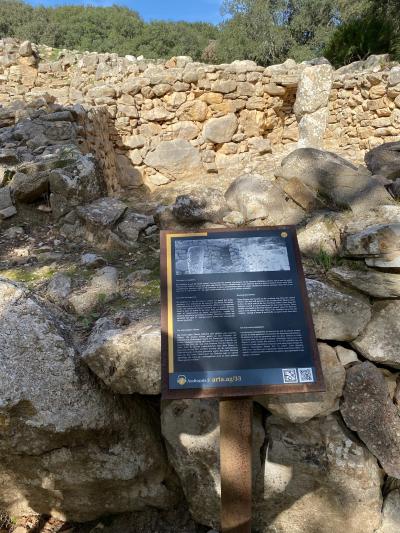
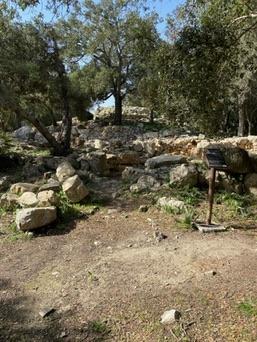
The struggle for power did not end with the conquest. Throughout the Middle Ages, Mallorca’s allegiance to Aragon was tested by internal strife and external threats, including piracy and invasions from rival kingdoms. The island’s strategic location made it an attractive target, and the shifting alliances among neighboring realms often resulted in a precarious balance of power. By the time the island became a part of the unified Spanish crown in the late 15th century, the legacy of these conflicts had left a lasting impact on Mallorca's culture and architecture, evident in its medieval castles and historical sites that still draw visitors today. Exploring these remnants offers a glimpse into the island's complex history and the influence of neighboring kingdoms.
In 1229, King James I of Aragon led a military campaign to conquer Mallorca, seeing it as a strategic asset for both economic and military purposes. This marked a turning point as the island was integrated into the Aragonese crown, which helped to foster a sense of unity but also led to tensions with other kingdoms. The subsequent centuries witnessed ongoing disputes with Castile and even the French, as these neighboring powers vied for control over trade routes and territorial dominance. These conflicts often spilled over into Mallorca, turning the island into a battleground for larger political ambitions.
The struggle for power did not end with the conquest. Throughout the Middle Ages, Mallorca’s allegiance to Aragon was tested by internal strife and external threats, including piracy and invasions from rival kingdoms. The island’s strategic location made it an attractive target, and the shifting alliances among neighboring realms often resulted in a precarious balance of power. By the time the island became a part of the unified Spanish crown in the late 15th century, the legacy of these conflicts had left a lasting impact on Mallorca's culture and architecture, evident in its medieval castles and historical sites that still draw visitors today. Exploring these remnants offers a glimpse into the island's complex history and the influence of neighboring kingdoms.
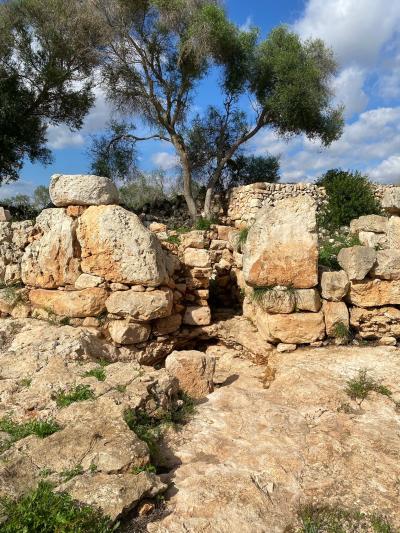
Capocorb Vell
More Fotos