What is the process of making olive oil in Mallorca like?
Similar Topics
olive oil production
Mallorca olives
extra virgin olive oil
olive oil tasting
Mallorca travel
culinary culture Mallorca
olive oil mills
traditional olive harvesting
gastronomy Mallorca
olive oil varieties
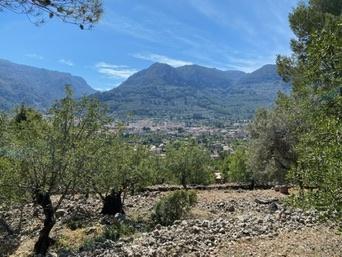
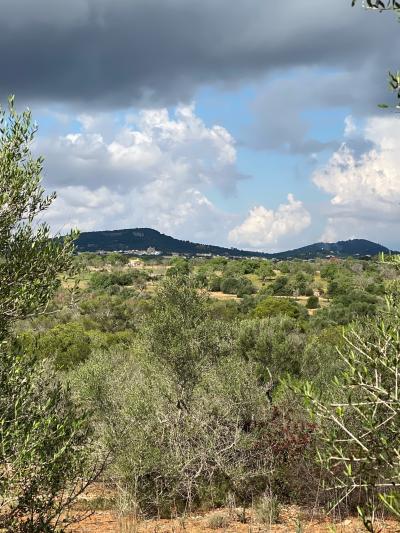
Making olive oil in Mallorca is a fascinating journey that combines tradition, craftsmanship, and the island's unique climate. The process begins with the harvesting of olives, typically occurring between late autumn and early winter. Farmers often rely on traditional methods, hand-picking the olives or using mechanical harvesters. The variety of olives grown in Mallorca, such as Arbequina, Picual, and Mallorquina, contribute distinct flavors and aromas to the oil. Once collected, the olives are carefully transported to a mill where they undergo the next steps of production.
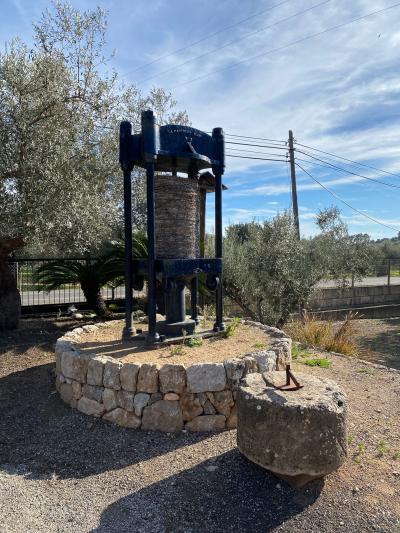
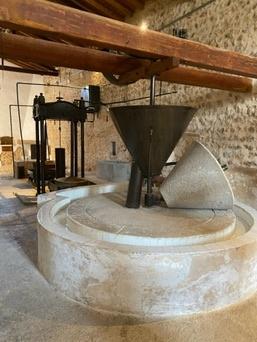
At the mill, the olives are washed to remove any impurities before being crushed into a paste. This paste is then subjected to malaxation, a gentle mixing process that helps release the oil from the olive cells. After malaxation, the mixture is pressed or centrifuged to separate the oil from the solid residue and water. The resulting extra virgin olive oil is then filtered and stored in dark containers to preserve its quality. The entire process is typically completed within a few hours of harvesting to ensure the freshest taste and highest quality.
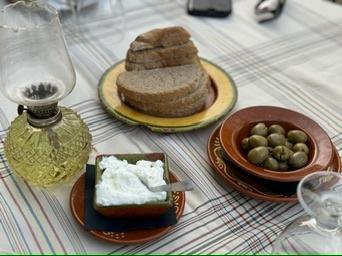
Visitors to Mallorca can experience this process firsthand by touring local olive oil mills, where knowledgeable guides explain each step and the importance of each variety. Many mills offer tastings, allowing guests to savor the rich flavors of different oils and learn about the nuances of pairing them with local dishes. The experience often highlights the strong connection between the island’s agricultural heritage and its culinary culture, making it not just a lesson in production but also a delightful exploration of Mallorcan gastronomy.
At the mill, the olives are washed to remove any impurities before being crushed into a paste. This paste is then subjected to malaxation, a gentle mixing process that helps release the oil from the olive cells. After malaxation, the mixture is pressed or centrifuged to separate the oil from the solid residue and water. The resulting extra virgin olive oil is then filtered and stored in dark containers to preserve its quality. The entire process is typically completed within a few hours of harvesting to ensure the freshest taste and highest quality.
Visitors to Mallorca can experience this process firsthand by touring local olive oil mills, where knowledgeable guides explain each step and the importance of each variety. Many mills offer tastings, allowing guests to savor the rich flavors of different oils and learn about the nuances of pairing them with local dishes. The experience often highlights the strong connection between the island’s agricultural heritage and its culinary culture, making it not just a lesson in production but also a delightful exploration of Mallorcan gastronomy.
Algaida
More Fotos