How does the preparation of Paella Valenciana differ from seafood paella?
Similar Topics
Paella Valenciana
seafood paella
Spanish cuisine
Valencia region
Mediterranean seafood
traditional paella
cooking methods
saffron rice
culinary journey
socarrat
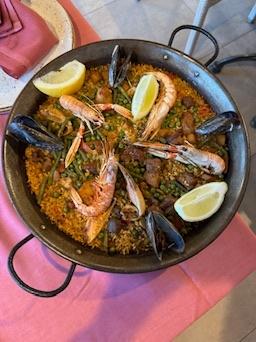
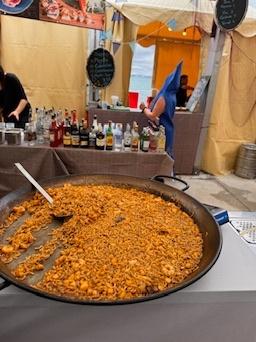
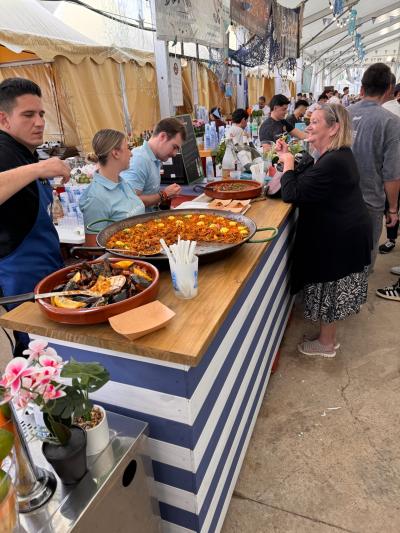
Paella Valenciana and seafood paella represent two distinct yet equally beloved variations of Spain's iconic dish. The preparation of Paella Valenciana is steeped in tradition, hailing from the Valencia region where it originally emerged. This version is typically made using a combination of meats, such as chicken and rabbit, along with green beans, and sometimes garrofó, a type of large white bean native to the area. The rice is often flavored with saffron and a range of spices, giving it a distinctive golden hue. The cooking method is crucial; it’s traditionally prepared over an open flame, allowing for that coveted socarrat, a crispy layer of rice at the bottom of the pan.
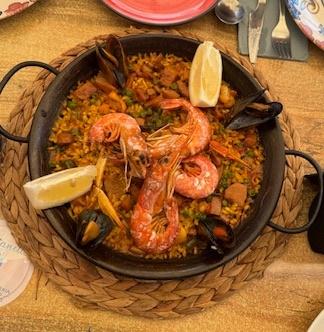
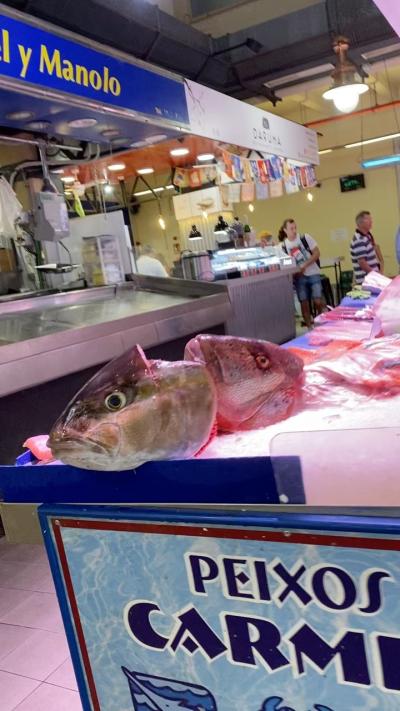
In contrast, seafood paella embraces the bountiful offerings of the Mediterranean Sea. Instead of meat, it features an array of fresh seafood, such as shrimp, mussels, clams, and squid. The flavor profile shifts from the earthy tones of saffron and spices to a more oceanic essence, often enhanced with ingredients like fish stock. While the basic technique remains similar—cooking the rice in a wide, shallow pan—seafood paella typically requires a more delicate approach, as seafood cooks quickly and can easily become overdone. The result is a dish that is vibrant and aromatic, showcasing the freshness of the sea while still celebrating the traditional paella cooking method.
Ultimately, both variations offer a unique taste experience that reflects the diverse cultural influences of Spain, and enjoying either in its region of origin is a delightful culinary journey. Whether you find yourself savoring the rustic flavors of Paella Valenciana or indulging in the briny goodness of seafood paella, each dish tells a story of its own, inviting you to appreciate the rich heritage behind this beloved Spanish staple.
In contrast, seafood paella embraces the bountiful offerings of the Mediterranean Sea. Instead of meat, it features an array of fresh seafood, such as shrimp, mussels, clams, and squid. The flavor profile shifts from the earthy tones of saffron and spices to a more oceanic essence, often enhanced with ingredients like fish stock. While the basic technique remains similar—cooking the rice in a wide, shallow pan—seafood paella typically requires a more delicate approach, as seafood cooks quickly and can easily become overdone. The result is a dish that is vibrant and aromatic, showcasing the freshness of the sea while still celebrating the traditional paella cooking method.
Ultimately, both variations offer a unique taste experience that reflects the diverse cultural influences of Spain, and enjoying either in its region of origin is a delightful culinary journey. Whether you find yourself savoring the rustic flavors of Paella Valenciana or indulging in the briny goodness of seafood paella, each dish tells a story of its own, inviting you to appreciate the rich heritage behind this beloved Spanish staple.

Port de Pollença
More Fotos