How does the food culture in Palma differ from other areas of Mallorca?
Similar Topics
Palma food culture
Mallorca dining
Mediterranean cuisine
tapas bars Palma
Mercat de l'Olivar
traditional Mallorcan recipes
sobrasada
ensaimada
culinary heritage Mallorca
rural Mallorca cuisine
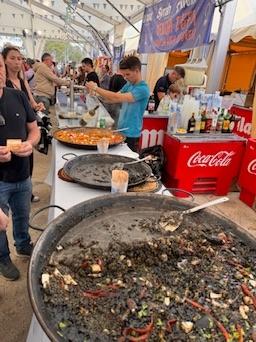
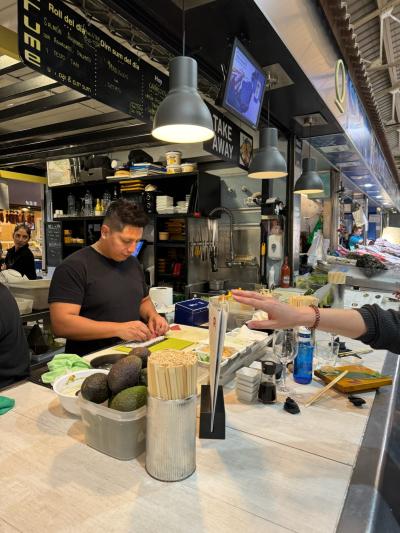
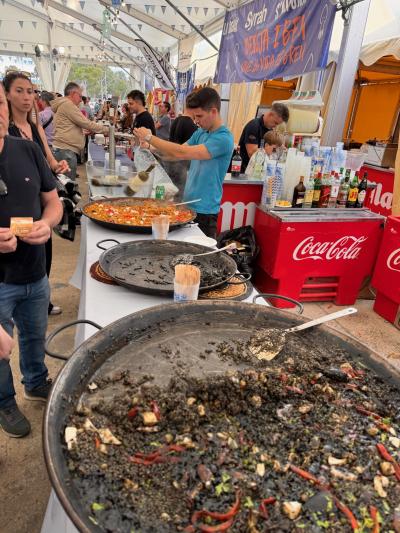
Palma, the vibrant capital of Mallorca, boasts a food culture that reflects its rich history and cosmopolitan atmosphere, distinguishing it from the more traditional culinary experiences found in other areas of the island. In Palma, you will find a diverse array of dining options that range from upscale restaurants showcasing innovative Mediterranean cuisine to charming tapas bars that celebrate local ingredients. The city's bustling markets, such as Mercat de l'Olivar, are a testament to this diversity, offering everything from fresh seafood and artisanal cheeses to locally produced wines, allowing visitors to immerse themselves in the authentic flavors of Mallorca.
In contrast, other areas of Mallorca, especially the rural regions and smaller towns, tend to preserve more traditional recipes and cooking methods. Here, you'll encounter hearty dishes that have been passed down through generations, often featuring local staples like sobrasada, a cured sausage, and ensaimada, a sweet pastry. In these quieter locations, the food culture is deeply rooted in the agricultural heritage of the island, with an emphasis on seasonal and locally sourced ingredients. While Palma embraces modern culinary trends and international influences, the surrounding areas invite visitors to savor the simplicity and authenticity of traditional Mallorcan fare, making each dining experience a unique reflection of the island's varied landscape and culture.
Thus, while Palma offers a sophisticated food scene that caters to diverse tastes and preferences, the rest of Mallorca provides a more rustic and traditional approach to cuisine, allowing travelers to appreciate the island's culinary heritage in different ways. Whether you are indulging in innovative dishes at a chic eatery in Palma or enjoying a rustic meal in a quaint village, the flavors of Mallorca provide a delicious journey through its rich culture and history.
In contrast, other areas of Mallorca, especially the rural regions and smaller towns, tend to preserve more traditional recipes and cooking methods. Here, you'll encounter hearty dishes that have been passed down through generations, often featuring local staples like sobrasada, a cured sausage, and ensaimada, a sweet pastry. In these quieter locations, the food culture is deeply rooted in the agricultural heritage of the island, with an emphasis on seasonal and locally sourced ingredients. While Palma embraces modern culinary trends and international influences, the surrounding areas invite visitors to savor the simplicity and authenticity of traditional Mallorcan fare, making each dining experience a unique reflection of the island's varied landscape and culture.
Thus, while Palma offers a sophisticated food scene that caters to diverse tastes and preferences, the rest of Mallorca provides a more rustic and traditional approach to cuisine, allowing travelers to appreciate the island's culinary heritage in different ways. Whether you are indulging in innovative dishes at a chic eatery in Palma or enjoying a rustic meal in a quaint village, the flavors of Mallorca provide a delicious journey through its rich culture and history.
Alcanada
More Fotos