What other ancient civilizations interacted with the Phoenicians in Mallorca?
Similar Topics
Mallorca history
ancient civilizations
Phoenicians in Mallorca
Greeks and Carthaginians
Mediterranean trade routes
archaeological finds Mallorca
Pollentia ancient city
cultural exchange Mallorca
Balearic Islands history
Roman influence Mallorca
The Phoenicians, renowned for their seafaring prowess and trade networks, established their presence in Mallorca around the 8th century BCE. Their interactions with other ancient civilizations were significant, particularly with the Greeks and the Carthaginians. The Greeks, known for their own maritime skills, began to establish colonies across the Mediterranean, including nearby regions like southern Spain and the Balearic Islands. As they expanded, trade routes were created, leading to exchanges in goods, culture, and ideas between the Phoenicians and the Greek settlers. This interaction enriched the local culture, as evidenced by archaeological finds that reflect Greek artistic influences on Phoenician pottery and architecture.
Later, the Carthaginians, descendants of the Phoenicians from North Africa, took over many of the Phoenician trade posts, including those in Mallorca. They continued the legacy of trade and cultural exchange, further solidifying Mallorca's role as a crucial hub in the Mediterranean. The Carthaginian presence brought about military and political changes, as they sought to control trade routes and resources. This led to conflicts with the Romans, who eventually emerged as the dominant power in the region. The legacy of these interactions can still be felt today, as the rich tapestry of history in Mallorca reflects the influences of these ancient civilizations, making it a fascinating destination for those interested in the past.
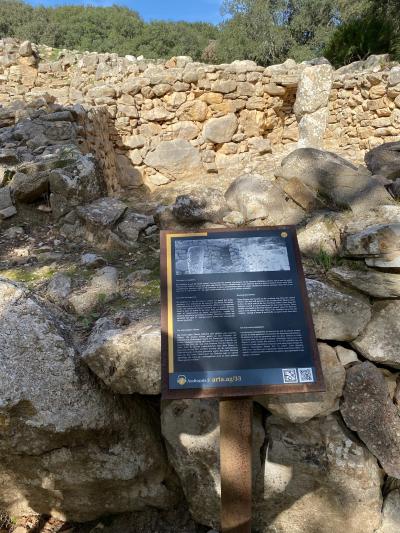
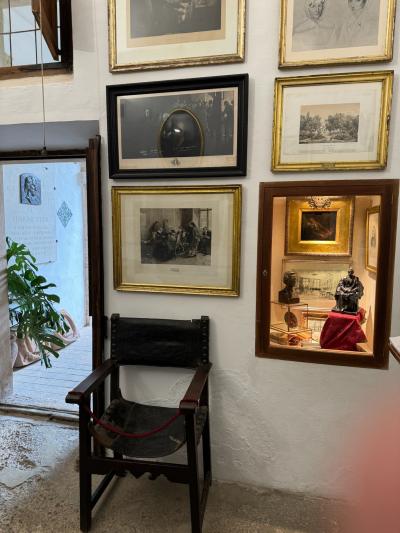
Exploring sites such as the ancient city of Pollentia, where remnants of various cultures coexist, offers travelers a glimpse into how these civilizations shaped the island. The archaeological museums in Mallorca also showcase artifacts that tell the story of these interactions, allowing visitors to appreciate the complex history that has influenced the island's development over millennia.
Later, the Carthaginians, descendants of the Phoenicians from North Africa, took over many of the Phoenician trade posts, including those in Mallorca. They continued the legacy of trade and cultural exchange, further solidifying Mallorca's role as a crucial hub in the Mediterranean. The Carthaginian presence brought about military and political changes, as they sought to control trade routes and resources. This led to conflicts with the Romans, who eventually emerged as the dominant power in the region. The legacy of these interactions can still be felt today, as the rich tapestry of history in Mallorca reflects the influences of these ancient civilizations, making it a fascinating destination for those interested in the past.
Exploring sites such as the ancient city of Pollentia, where remnants of various cultures coexist, offers travelers a glimpse into how these civilizations shaped the island. The archaeological museums in Mallorca also showcase artifacts that tell the story of these interactions, allowing visitors to appreciate the complex history that has influenced the island's development over millennia.
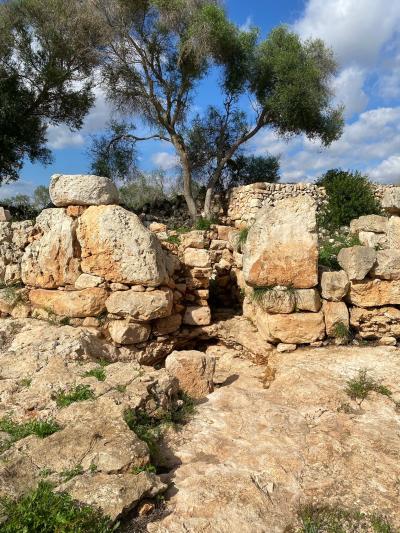
Capocorb Vell
More Fotos