What architectural styles are prominent in Mallorca that would make for striking images?
Similar Topics
Mallorca architecture
Gothic style Mallorca
La Seu Cathedral
traditional Mallorcan vernacular
Mallorca photography
modernist architecture Palma
Valldemossa village
Deià homes
architectural styles Mallorca
Mediterranean architecture
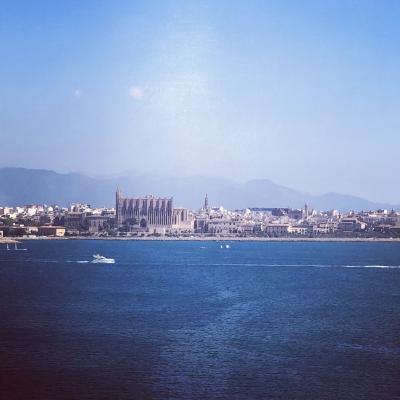
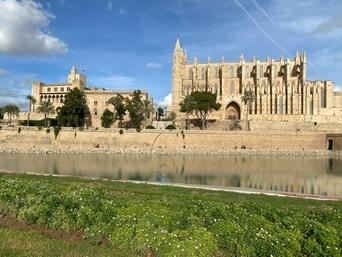
Mallorca boasts a rich tapestry of architectural styles that reflect its diverse history and cultural influences, making it a paradise for photography enthusiasts. One of the most striking styles is the Gothic architecture exemplified by the magnificent La Seu Cathedral in Palma. This stunning structure, with its soaring spires and intricate stained glass windows, captures the essence of medieval craftsmanship and serves as a breathtaking backdrop against the Mediterranean sky. The cathedral's unique blend of Gothic elements with later additions, such as the modernist designs of Antoni Gaudí, creates a fascinating visual narrative that showcases the island’s architectural evolution.
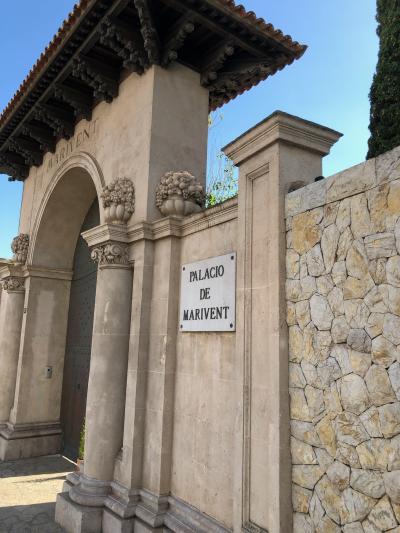
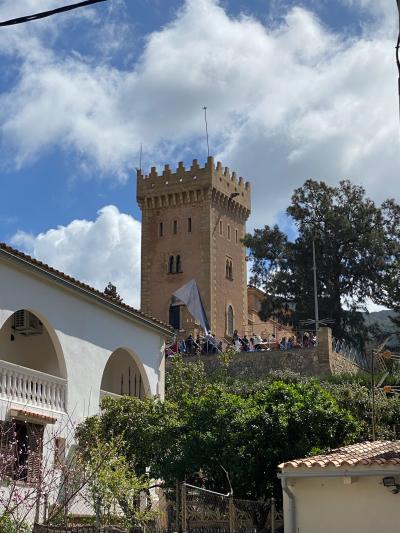
In contrast to the grandeur of Gothic structures, the traditional Mallorcan vernacular architecture offers a more rustic charm. Characterized by the use of local stone, terracotta roofs, and wooden beams, these quaint buildings can be found scattered throughout the countryside and in picturesque villages like Valldemossa and Deià. The interplay of light and shadow on the stone facades, especially during the golden hours of sunrise and sunset, creates captivating images that evoke a sense of timelessness. The beautiful fincas and charming homes, often adorned with vibrant bougainvillea, provide a serene glimpse into the island’s agrarian past and present.
Additionally, you can find traces of modernist architecture, particularly in Palma, where the works of architects like Gabriel Alomar and the iconic buildings by modernist architects like Lluís Domènech i Montaner add a contemporary flair to the island's architectural landscape. These structures often incorporate colorful ceramics, organic shapes, and intricate details that stand in contrast to the island's older styles, allowing for a diverse range of photographic opportunities. The juxtaposition of historical and modern designs creates a dynamic visual experience, inviting travelers to explore the layers of Mallorca’s architectural heritage.
In contrast to the grandeur of Gothic structures, the traditional Mallorcan vernacular architecture offers a more rustic charm. Characterized by the use of local stone, terracotta roofs, and wooden beams, these quaint buildings can be found scattered throughout the countryside and in picturesque villages like Valldemossa and Deià. The interplay of light and shadow on the stone facades, especially during the golden hours of sunrise and sunset, creates captivating images that evoke a sense of timelessness. The beautiful fincas and charming homes, often adorned with vibrant bougainvillea, provide a serene glimpse into the island’s agrarian past and present.
Additionally, you can find traces of modernist architecture, particularly in Palma, where the works of architects like Gabriel Alomar and the iconic buildings by modernist architects like Lluís Domènech i Montaner add a contemporary flair to the island's architectural landscape. These structures often incorporate colorful ceramics, organic shapes, and intricate details that stand in contrast to the island's older styles, allowing for a diverse range of photographic opportunities. The juxtaposition of historical and modern designs creates a dynamic visual experience, inviting travelers to explore the layers of Mallorca’s architectural heritage.

Llucmajor
More Fotos