What were the major religious changes that took place in Mallorca after the reconquest?
Similar Topics
Mallorca religious changes
Catholic Church Mallorca
reconquest of Mallorca
Gothic architecture Mallorca
La Seu Cathedral Palma
King Jaume I Aragon
Mallorca religious heritage
Renaissance Baroque Mallorca
churches monasteries Mallorca
Mallorca cultural traditions
After the reconquest of Mallorca in 1229, significant religious transformations unfolded on the island, fundamentally reshaping its spiritual landscape. The Christian conquest led to the establishment of the Catholic Church as the dominant religious institution, effectively replacing the previously prevalent Muslim faith. The new rulers, particularly under the leadership of King Jaume I of Aragon, sought to consolidate their control by promoting Christianity, which was seen as a unifying force that could solidify their power over the diverse population.
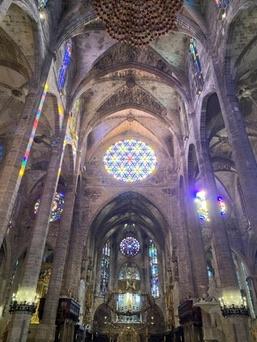
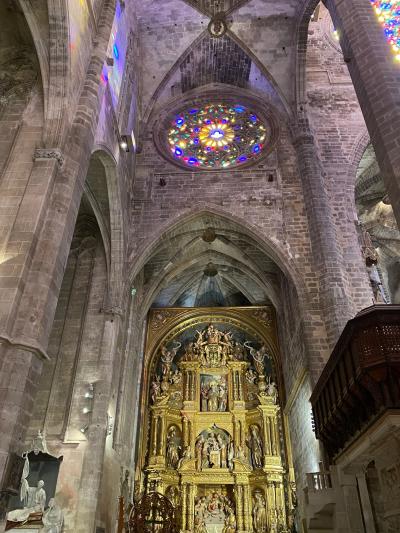
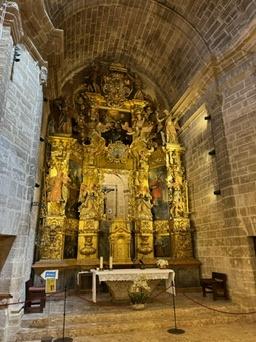
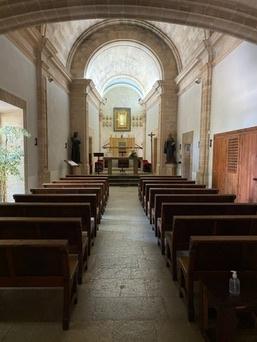
Throughout the 13th and 14th centuries, a series of churches and monasteries were constructed, with impressive Gothic architecture emerging as a hallmark of this period. Notable examples include the magnificent La Seu Cathedral in Palma, which stands as a testament to the religious fervor and artistic ambition of the time. The Catholic Church not only played a crucial role in the daily lives of the people but also became a significant player in the political and economic spheres, often influencing local governance and societal norms.
As the centuries progressed, Mallorca continued to experience shifts in religious practices and affiliations, with the influence of the Catholic Church remaining strong. However, the island also saw the introduction of new spiritual movements and a blend of cultural traditions, particularly during the Renaissance and Baroque periods. This rich tapestry of religious heritage is still evident today, as visitors can explore the many churches and religious festivals that celebrate the island's diverse history, providing a glimpse into the profound changes that have shaped Mallorca's identity over the centuries.
Throughout the 13th and 14th centuries, a series of churches and monasteries were constructed, with impressive Gothic architecture emerging as a hallmark of this period. Notable examples include the magnificent La Seu Cathedral in Palma, which stands as a testament to the religious fervor and artistic ambition of the time. The Catholic Church not only played a crucial role in the daily lives of the people but also became a significant player in the political and economic spheres, often influencing local governance and societal norms.
As the centuries progressed, Mallorca continued to experience shifts in religious practices and affiliations, with the influence of the Catholic Church remaining strong. However, the island also saw the introduction of new spiritual movements and a blend of cultural traditions, particularly during the Renaissance and Baroque periods. This rich tapestry of religious heritage is still evident today, as visitors can explore the many churches and religious festivals that celebrate the island's diverse history, providing a glimpse into the profound changes that have shaped Mallorca's identity over the centuries.
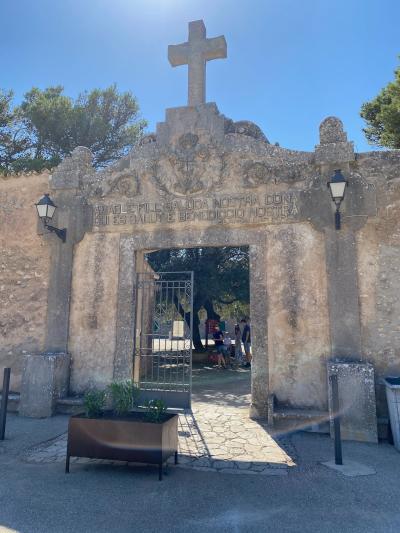
Puig de Randa
More Fotos