What efforts have been made to revive and promote regional languages in Mallorca since Franco's regime ended?
Similar Topics
Mallorca
Catalan language
Mallorquí
Franco regime
linguistic diversity
cultural pride
language schools
Balearic government
tourism in Mallorca
bilingual signage
Since the end of Franco's regime in 1975, Mallorca has seen significant efforts to revive and promote the regional language, Catalan, which is known locally as Mallorquí. Under Franco's rule, the use of Catalan was suppressed, and Spanish was enforced as the sole language of education and public life. However, with the restoration of democracy, there was a renewed sense of identity and cultural pride among the Mallorcan people, leading to a vigorous movement to restore the use of their native tongue. This included the establishment of language schools, cultural associations, and initiatives aimed at integrating Mallorquí into the education system.
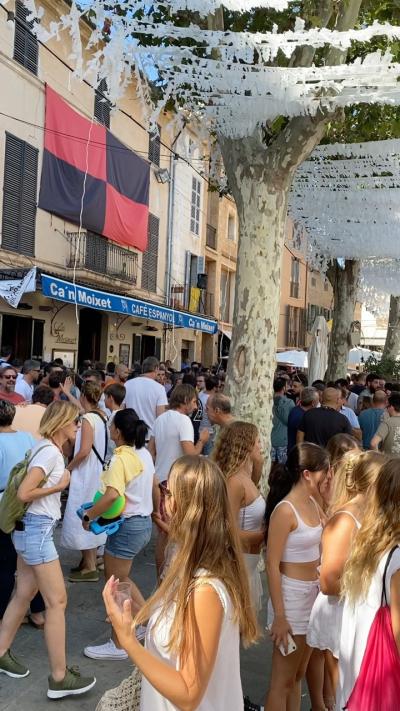
In recent years, the Balearic government has implemented policies to support linguistic diversity, which include mandatory use of Catalan in schools and public administration. As a result, younger generations are increasingly fluent in Mallorquí, and there has been a noticeable rise in the number of cultural events and festivals celebrating the language. Local media, including newspapers, radio stations, and television broadcasts, have also embraced Mallorquí, providing residents with content in their native tongue and fostering a sense of community.
Moreover, tourism plays a vital role in this revitalization. Efforts to promote the Mallorcan language to visitors have led to the incorporation of bilingual signage and guided tours in both Catalan and Spanish. This not only helps preserve the language but also enriches the visitor experience, allowing tourists to connect more deeply with the local culture. As a traveler in Mallorca, you may encounter locals proudly speaking in Mallorquí, and you might even pick up a few phrases yourself, enriching your journey through this beautiful island steeped in history and identity.
In recent years, the Balearic government has implemented policies to support linguistic diversity, which include mandatory use of Catalan in schools and public administration. As a result, younger generations are increasingly fluent in Mallorquí, and there has been a noticeable rise in the number of cultural events and festivals celebrating the language. Local media, including newspapers, radio stations, and television broadcasts, have also embraced Mallorquí, providing residents with content in their native tongue and fostering a sense of community.
Moreover, tourism plays a vital role in this revitalization. Efforts to promote the Mallorcan language to visitors have led to the incorporation of bilingual signage and guided tours in both Catalan and Spanish. This not only helps preserve the language but also enriches the visitor experience, allowing tourists to connect more deeply with the local culture. As a traveler in Mallorca, you may encounter locals proudly speaking in Mallorquí, and you might even pick up a few phrases yourself, enriching your journey through this beautiful island steeped in history and identity.

Cala Figuera
More Fotos