How does the weather vary between the different seasons in Mallorca?
Similar Topics
Mallorca weather
Mediterranean climate
Mallorca seasons
spring in Mallorca
summer in Mallorca
autumn in Mallorca
winter in Mallorca
Mallorca travel tips
outdoor activities Mallorca
Mallorca beaches
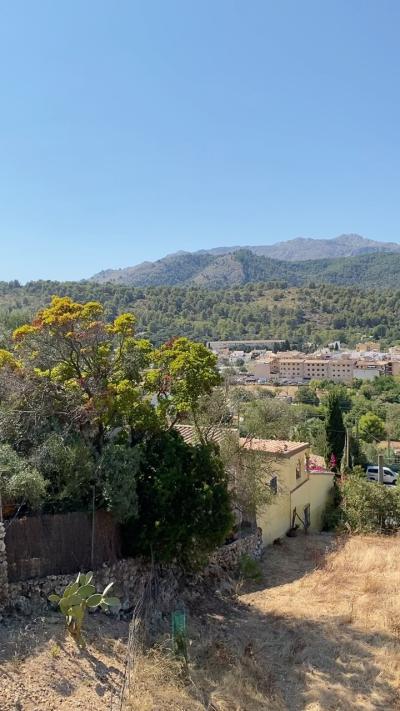
Mallorca experiences a Mediterranean climate, which means its weather is generally mild and pleasant throughout the year, but there are distinct differences between the seasons. In spring, from March to May, the island starts to awaken from winter. Temperatures gradually rise, ranging from the mid-teens to low 20s Celsius (around 60s to mid-70s Fahrenheit). This season is characterized by blossoming flowers and lush greenery, making it an ideal time for outdoor activities like hiking and cycling. Rainfall is minimal, and the days are pleasantly sunny, offering a perfect backdrop for exploring the charming villages and historical sites.
Summer, from June to August, brings warm temperatures that can soar into the high 30s Celsius (over 100°F), especially in July and August. The island becomes a bustling hub for tourists seeking sun, sea, and sand. Beaches are vibrant with life, and the Mediterranean waters are invitingly warm. While summer is generally dry, occasional heatwaves can occur, making it important for visitors to stay hydrated and seek shade during the hottest parts of the day. Evening temperatures remain warm, perfect for enjoying al fresco dining or nightlife in places like Palma and Magaluf.
As autumn arrives, from September to November, the weather begins to cool down, with temperatures ranging from the low 20s to mid-30s Celsius (70s to low 80s Fahrenheit) in September but gradually dropping as November approaches. This is a beautiful time to visit, as the summer crowds dissipate, leaving behind a more tranquil atmosphere. The landscape remains lush, and the sea is still warm enough for swimming. Rainfall starts to increase in October and November, but the showers are usually brief and interspersed with sunny days, making it a lovely season for hiking and exploring the island's natural beauty.
Winter in Mallorca, from December to February, is mild compared to many other destinations in Europe. Temperatures typically range from 10 to 15 degrees Celsius (50s to low 60s Fahrenheit), making it a popular time for those seeking a winter escape. While it can be rainy, especially in January, the island rarely experiences extreme weather. Winter is a quieter season, allowing visitors to enjoy a more authentic experience of local life, including traditional festivals and markets. Overall, each season on Mallorca offers a unique charm, making it a year-round destination worth exploring.
Summer, from June to August, brings warm temperatures that can soar into the high 30s Celsius (over 100°F), especially in July and August. The island becomes a bustling hub for tourists seeking sun, sea, and sand. Beaches are vibrant with life, and the Mediterranean waters are invitingly warm. While summer is generally dry, occasional heatwaves can occur, making it important for visitors to stay hydrated and seek shade during the hottest parts of the day. Evening temperatures remain warm, perfect for enjoying al fresco dining or nightlife in places like Palma and Magaluf.
As autumn arrives, from September to November, the weather begins to cool down, with temperatures ranging from the low 20s to mid-30s Celsius (70s to low 80s Fahrenheit) in September but gradually dropping as November approaches. This is a beautiful time to visit, as the summer crowds dissipate, leaving behind a more tranquil atmosphere. The landscape remains lush, and the sea is still warm enough for swimming. Rainfall starts to increase in October and November, but the showers are usually brief and interspersed with sunny days, making it a lovely season for hiking and exploring the island's natural beauty.
Winter in Mallorca, from December to February, is mild compared to many other destinations in Europe. Temperatures typically range from 10 to 15 degrees Celsius (50s to low 60s Fahrenheit), making it a popular time for those seeking a winter escape. While it can be rainy, especially in January, the island rarely experiences extreme weather. Winter is a quieter season, allowing visitors to enjoy a more authentic experience of local life, including traditional festivals and markets. Overall, each season on Mallorca offers a unique charm, making it a year-round destination worth exploring.

More Fotos