How do the seasons affect the landscape and wildlife in Albufera?
Similar Topics
Albufera Natural Park
seasonal changes
landscape transformation
wildlife migration
birdwatching
rice paddies
spring flowers
autumn colors
ecosystem balance
nature photography
The Albufera Natural Park, located just south of Valencia, is a stunning example of how seasons can transform both its landscape and wildlife. In spring, the park bursts into life as wildflowers bloom and the rice paddies begin to fill with water. This is a crucial time for the ecosystem, attracting migratory birds such as herons and storks that stop to nest and feed in the rich, wetland environment. As temperatures rise, the lush greenery expands, and the vibrant colors of flowers and grasses create a picturesque backdrop for visitors.
As summer approaches, the landscape takes on a different character. The rice fields reach their peak, with golden grains swaying in the warm breeze. This is also the time when many species of birds are busy raising their young, making it an ideal season for birdwatching enthusiasts. The warm, humid climate encourages a variety of wildlife to flourish, including amphibians and insects, which play vital roles in the ecosystem. However, the sun can be intense, so exploring the park in the cooler early morning or late afternoon can enhance your experience.
Autumn brings another shift as the rice harvest occurs, altering the landscape once again. The fields, once lush and green, are transformed into a patchwork of golden stubble, and many birds begin their migration south. This season is a feast for the eyes, with the changing colors of the foliage painting the park in hues of orange and red. The cooler temperatures also invite different species of birds that come to take advantage of the abundant food sources during their migration.
Winter in Albufera is marked by a quieter atmosphere, as many birds have migrated away, but it doesn’t mean the park is devoid of life. Some species, such as the elusive water rail, can be spotted in the reeds, and the tranquil waters offer a serene reflection of the surrounding landscape. The cooler weather can lead to misty mornings, creating a mystical ambiance that captivates photographers and nature lovers alike. The seasonal changes in Albufera not only showcase the beauty of the region but also highlight the interconnectedness of its wildlife and the delicate balance of its ecosystems.
As summer approaches, the landscape takes on a different character. The rice fields reach their peak, with golden grains swaying in the warm breeze. This is also the time when many species of birds are busy raising their young, making it an ideal season for birdwatching enthusiasts. The warm, humid climate encourages a variety of wildlife to flourish, including amphibians and insects, which play vital roles in the ecosystem. However, the sun can be intense, so exploring the park in the cooler early morning or late afternoon can enhance your experience.
Autumn brings another shift as the rice harvest occurs, altering the landscape once again. The fields, once lush and green, are transformed into a patchwork of golden stubble, and many birds begin their migration south. This season is a feast for the eyes, with the changing colors of the foliage painting the park in hues of orange and red. The cooler temperatures also invite different species of birds that come to take advantage of the abundant food sources during their migration.
Winter in Albufera is marked by a quieter atmosphere, as many birds have migrated away, but it doesn’t mean the park is devoid of life. Some species, such as the elusive water rail, can be spotted in the reeds, and the tranquil waters offer a serene reflection of the surrounding landscape. The cooler weather can lead to misty mornings, creating a mystical ambiance that captivates photographers and nature lovers alike. The seasonal changes in Albufera not only showcase the beauty of the region but also highlight the interconnectedness of its wildlife and the delicate balance of its ecosystems.
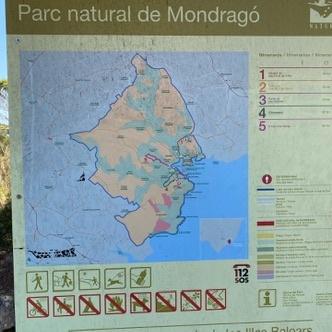
Mondragó
More Fotos