What kind of historical significance does the talaiotic settlement hold?
Similar Topics
talaiotic settlement
Menorca history
prehistoric life
Talaiotic period
stone structures
ancient architecture
communal living
Mediterranean history
cultural artifacts
Menorca travel
The talaiotic settlement, particularly found on the island of Menorca in Spain, holds immense historical significance as it offers a glimpse into the prehistoric life of the island's early inhabitants. Dating back to the Talaiotic period, which spans roughly from 1,000 BC to 100 BC, these settlements are characterized by their unique stone structures, including the iconic talaiots—tower-like constructions believed to have served as watchtowers or communal spaces. The settlement reflects a sophisticated society that had developed complex social structures and communal living arrangements long before the arrival of the Romans.
Visiting these sites allows travelers to connect with the ancient past, as they explore the remnants of homes, burial sites, and ritual spaces that illustrate the daily lives and spiritual beliefs of the Talaiotic culture. The architecture and layout of these settlements reveal an understanding of both functionality and symbolism, indicating that these early people placed great importance on community and their environment. Additionally, the presence of artifacts such as pottery and tools provides valuable insights into their craftsmanship, trade practices, and interactions with neighboring cultures.
These settlements also play a crucial role in understanding the broader history of the Mediterranean region, as they demonstrate the influence of various cultures over time. The talaiotic settlements can be seen as part of a larger narrative that connects prehistoric communities across the islands and the mainland, showcasing how ideas and technologies were shared and evolved. For visitors, exploring these ancient sites is not just about witnessing the remnants of the past; it's an opportunity to appreciate the rich tapestry of human history that has shaped the identity of Menorca and its people.
Visiting these sites allows travelers to connect with the ancient past, as they explore the remnants of homes, burial sites, and ritual spaces that illustrate the daily lives and spiritual beliefs of the Talaiotic culture. The architecture and layout of these settlements reveal an understanding of both functionality and symbolism, indicating that these early people placed great importance on community and their environment. Additionally, the presence of artifacts such as pottery and tools provides valuable insights into their craftsmanship, trade practices, and interactions with neighboring cultures.
These settlements also play a crucial role in understanding the broader history of the Mediterranean region, as they demonstrate the influence of various cultures over time. The talaiotic settlements can be seen as part of a larger narrative that connects prehistoric communities across the islands and the mainland, showcasing how ideas and technologies were shared and evolved. For visitors, exploring these ancient sites is not just about witnessing the remnants of the past; it's an opportunity to appreciate the rich tapestry of human history that has shaped the identity of Menorca and its people.
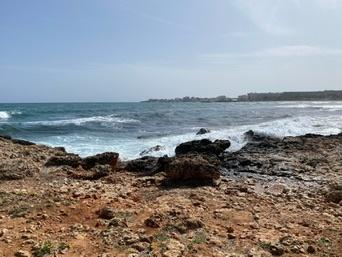
Cala d'Or
More Fotos