How did the Talaiot culture influence the architecture of later civilizations in Mallorca?
Similar Topics
Talaiot culture
Mallorca architecture
prehistoric stone towers
Roman influence Mallorca
Moorish architecture
ancient civilizations Mallorca
cultural heritage Mallorca
stone construction techniques
architectural lineage Mallorca
historical sites Mallorca
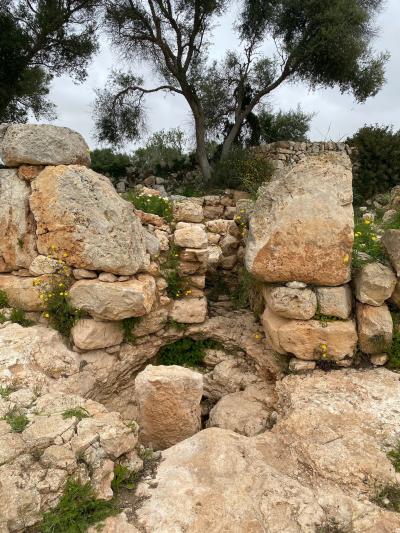
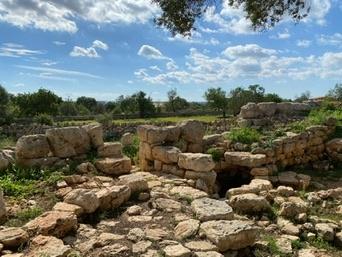
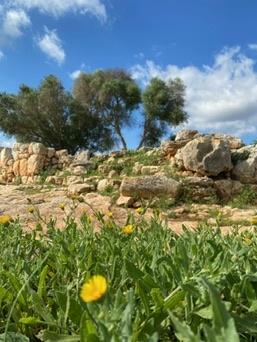
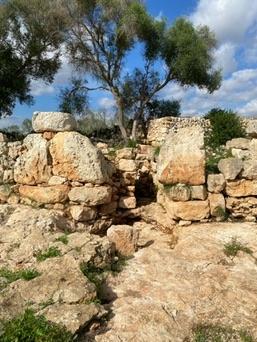
The Talaiot culture, which thrived in Mallorca from around 1300 to 1000 BC, left a profound imprint on the island's architectural landscape that can still be observed today. This ancient civilization is best known for its distinctive stone constructions, particularly the talaiots—large, prehistoric stone towers that served various purposes, including watchtowers and communal gathering spaces. The techniques and styles developed during this period laid the groundwork for later architectural developments on the island. The use of local materials, such as limestone, and the construction methods that emphasized stability and functionality can be seen echoed in subsequent cultures that inhabited Mallorca, including the Romans and Moors.
As time progressed, the influence of the Talaiot culture became integrated into the architectural practices of later civilizations. The Romans, who arrived in the first century BC, adopted and adapted the local construction techniques, incorporating elements of the Talaiot style into their own designs. For instance, the use of large stone blocks and the emphasis on monumental structures can be traced back to the earlier Talaiot constructions. This blending of styles not only reflects the continuity of cultural practices but also illustrates how the island's unique architectural identity evolved over centuries.
The Moorish period further enriched Mallorca's architectural heritage, drawing inspiration from the robust stonework and communal spaces established by the Talaiot culture. The intricate designs and decorative elements characteristic of Moorish architecture, such as arches and ornate tile work, were often integrated with the solid foundations laid by their predecessors. As you explore Mallorca today, you’ll find that the remnants of the Talaiot culture, along with influences from later civilizations, create a fascinating tapestry of history that can be seen in the island's charming villages and ancient ruins. This rich architectural lineage not only tells the story of the island's past but also offers a unique glimpse into the endurance of cultural identity throughout the ages.
As time progressed, the influence of the Talaiot culture became integrated into the architectural practices of later civilizations. The Romans, who arrived in the first century BC, adopted and adapted the local construction techniques, incorporating elements of the Talaiot style into their own designs. For instance, the use of large stone blocks and the emphasis on monumental structures can be traced back to the earlier Talaiot constructions. This blending of styles not only reflects the continuity of cultural practices but also illustrates how the island's unique architectural identity evolved over centuries.
The Moorish period further enriched Mallorca's architectural heritage, drawing inspiration from the robust stonework and communal spaces established by the Talaiot culture. The intricate designs and decorative elements characteristic of Moorish architecture, such as arches and ornate tile work, were often integrated with the solid foundations laid by their predecessors. As you explore Mallorca today, you’ll find that the remnants of the Talaiot culture, along with influences from later civilizations, create a fascinating tapestry of history that can be seen in the island's charming villages and ancient ruins. This rich architectural lineage not only tells the story of the island's past but also offers a unique glimpse into the endurance of cultural identity throughout the ages.
Santanyí
More Fotos