How did the Talaiots engage in trade with other civilizations?
Similar Topics
Talaiots
Mallorca
Menorca
prehistoric communities
trade routes
Mediterranean trade
cultural exchange
Phoenicians
archaeological artifacts
ancient stone structures
The Talaiots, ancient stone structures found primarily on the Balearic Islands of Mallorca and Menorca, were integral to the prehistoric communities that inhabited these islands. These structures, characterized by their distinctive beehive shape and large stone blocks, served various purposes, including ritualistic and residential uses. Engaging in trade was a vital aspect of their society, as these communities sought to acquire resources that were not locally available. The Talaiots, strategically positioned throughout the islands, likely acted as centers for trade and social interaction, facilitating the exchange of goods and ideas with neighboring cultures.
Evidence suggests that the Talaiotic people traded a range of goods, including agricultural products, pottery, and metalwork. They had access to fertile land, allowing them to cultivate crops that could be bartered with other civilizations. Additionally, the islands’ strategic location in the Mediterranean made them a natural waypoint for maritime trade routes. This geographical advantage enabled the Talaiots to connect with other cultures, such as the Phoenicians and later the Romans, who were drawn to the islands for their natural resources and agricultural output. Artifacts uncovered in Talaiotic sites, including ceramics and tools from distant cultures, point toward a vibrant exchange network that enriched their local economy and cultural practices.
The trade relationships established by the Talaiots also fostered the sharing of technological advancements and artistic influences. As they engaged with other civilizations, the Talaiotic people would have adopted new techniques in agriculture, construction, and craft. This cultural exchange not only enhanced their material wealth but also contributed to a more sophisticated societal structure. The legacy of the Talaiots is a testament to their role as intermediaries in the wider Mediterranean world, showcasing their ability to adapt and thrive through trade and collaboration with neighboring societies. Exploring these ancient sites today offers a glimpse into the rich tapestry of interactions that shaped the history of the Balearic Islands.
Evidence suggests that the Talaiotic people traded a range of goods, including agricultural products, pottery, and metalwork. They had access to fertile land, allowing them to cultivate crops that could be bartered with other civilizations. Additionally, the islands’ strategic location in the Mediterranean made them a natural waypoint for maritime trade routes. This geographical advantage enabled the Talaiots to connect with other cultures, such as the Phoenicians and later the Romans, who were drawn to the islands for their natural resources and agricultural output. Artifacts uncovered in Talaiotic sites, including ceramics and tools from distant cultures, point toward a vibrant exchange network that enriched their local economy and cultural practices.
The trade relationships established by the Talaiots also fostered the sharing of technological advancements and artistic influences. As they engaged with other civilizations, the Talaiotic people would have adopted new techniques in agriculture, construction, and craft. This cultural exchange not only enhanced their material wealth but also contributed to a more sophisticated societal structure. The legacy of the Talaiots is a testament to their role as intermediaries in the wider Mediterranean world, showcasing their ability to adapt and thrive through trade and collaboration with neighboring societies. Exploring these ancient sites today offers a glimpse into the rich tapestry of interactions that shaped the history of the Balearic Islands.
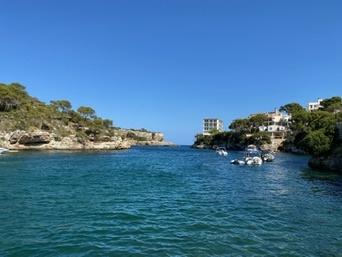
Cala Figuera
More Fotos




Related Questions
Related Question
Do hotels have any restrictions on streaming or downloading while using their Wi-Fi?
Related Question
Are there any local festivals or events happening in Pollença when I arrive?
Related Question
How do I find out if a private clinic has good reviews or ratings from previous patients?