What role did the promotion of Mallorca as a holiday destination play in attracting visitors?
Similar Topics
Mallorca travel
holiday destination
Mediterranean vacation
tourism promotion
beach resorts
cultural heritage
wellness retreats
cycling tours
culinary experiences
Tramuntana mountains
The promotion of Mallorca as a holiday destination has played a pivotal role in transforming the island into one of the most sought-after vacation spots in the Mediterranean. In the mid-20th century, Mallorca began to embrace its potential for tourism, capitalizing on its stunning beaches, vibrant culture, and mild climate. Marketing campaigns highlighted the island's natural beauty, from its dramatic coastlines to its charming villages, and showcased the diverse experiences available, ranging from leisurely beach days to adventurous hikes in the Tramuntana mountains. This strategic promotion not only attracted sun-seekers but also appealed to families and couples looking for a romantic getaway, effectively broadening its appeal.
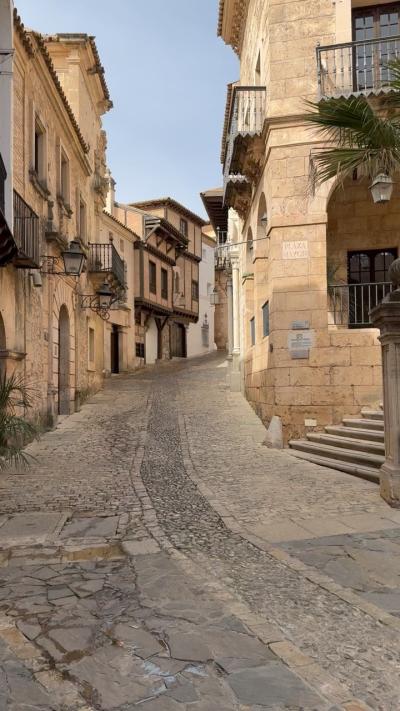
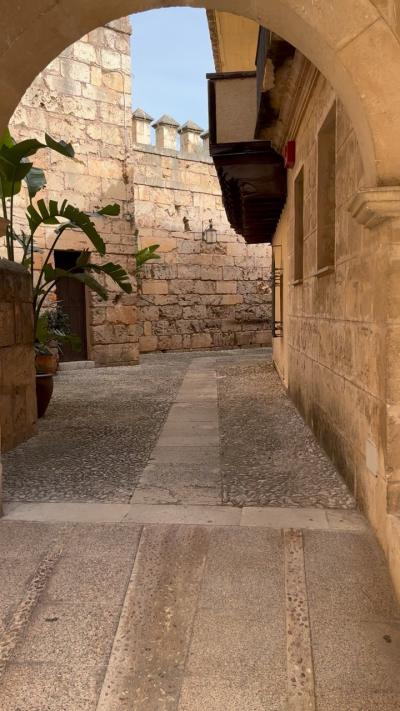
As a result of these promotional efforts, Mallorca saw a significant influx of visitors, which in turn spurred economic growth and infrastructure development. Hotels, restaurants, and leisure facilities began to emerge, catering to the increasing demand for accommodations and services. The island's tourism board worked diligently to maintain a balance between attracting tourists and preserving its rich cultural heritage, which includes traditional festivals, local cuisine, and historical landmarks. This careful approach has helped foster a welcoming atmosphere that encourages repeat visits, as travelers are drawn not just to the sun and sea, but also to the authentic experiences that Mallorca offers.
Moreover, the promotion of Mallorca as a holiday destination has led to a diversification of the tourism market. While the island was once primarily known for its beach resorts, it has now developed niche offerings such as wellness retreats, cycling tours, and culinary experiences that appeal to a wider range of interests. This evolution has ensured that visitors can find something to suit their tastes, whether they seek relaxation or adventure, and has solidified Mallorca's status as a year-round destination. The ongoing commitment to marketing the island effectively means that Mallorca continues to attract visitors from around the globe, ensuring its place in the hearts of travelers for years to come.
As a result of these promotional efforts, Mallorca saw a significant influx of visitors, which in turn spurred economic growth and infrastructure development. Hotels, restaurants, and leisure facilities began to emerge, catering to the increasing demand for accommodations and services. The island's tourism board worked diligently to maintain a balance between attracting tourists and preserving its rich cultural heritage, which includes traditional festivals, local cuisine, and historical landmarks. This careful approach has helped foster a welcoming atmosphere that encourages repeat visits, as travelers are drawn not just to the sun and sea, but also to the authentic experiences that Mallorca offers.
Moreover, the promotion of Mallorca as a holiday destination has led to a diversification of the tourism market. While the island was once primarily known for its beach resorts, it has now developed niche offerings such as wellness retreats, cycling tours, and culinary experiences that appeal to a wider range of interests. This evolution has ensured that visitors can find something to suit their tastes, whether they seek relaxation or adventure, and has solidified Mallorca's status as a year-round destination. The ongoing commitment to marketing the island effectively means that Mallorca continues to attract visitors from around the globe, ensuring its place in the hearts of travelers for years to come.

More Fotos