What role did the Arab Baths play in the daily life of people during the Moorish period?
Similar Topics
Arab Baths
hammams
Moorish period
social hubs
community ties
cleanliness rituals
cultural values
bathhouse architecture
personal care
social fabric
During the Moorish period, the Arab Baths, or "hammams," played a central role in the daily life of the people, serving as more than just places for bathing and hygiene. These baths were essential social hubs where individuals from various walks of life gathered to unwind, converse, and strengthen community ties. The experience of visiting a hammam encompassed a series of rituals, including steam baths, massages, and scrubbing, all of which contributed to cleanliness and health. The soothing environment, often enhanced by the use of fragrant oils and herbs, provided a welcome respite from the heat of the day.
The hammam was also a reflection of the cultural values of the time, emphasizing the importance of cleanliness and personal care in both physical and spiritual well-being. For many, the bathhouse was a place to engage in discussions about politics, religion, and social matters, fostering a sense of community among its patrons. Women and men often visited at different times, allowing for a space where women could socialize freely, share stories, and maintain their own forms of community bonding. In this way, the Arab Baths became a vital part of the social fabric, merging the practical need for hygiene with the cultural practices of leisure and companionship.
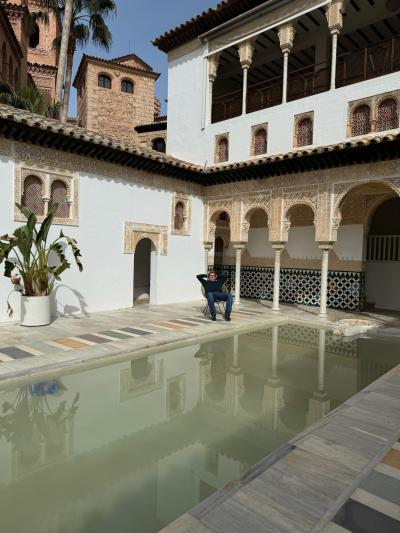
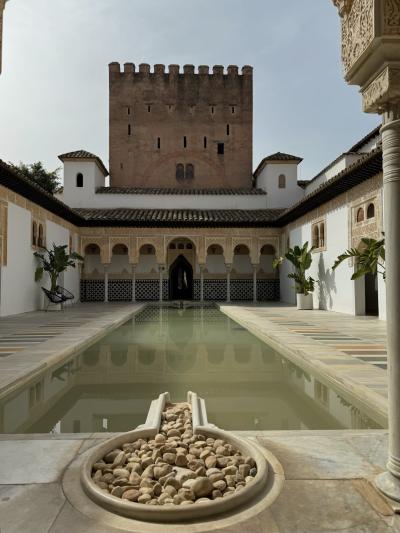
Moreover, the architecture of the hammams often featured intricate tile work and beautiful arches, creating a serene atmosphere that added to the experience. This aesthetic appeal, combined with the health benefits of the baths, made them a cherished institution in Moorish society. As such, the Arab Baths were not merely functional spaces but vibrant centers of social life, playing a crucial role in the everyday rhythms of the community during this rich historical period.
The hammam was also a reflection of the cultural values of the time, emphasizing the importance of cleanliness and personal care in both physical and spiritual well-being. For many, the bathhouse was a place to engage in discussions about politics, religion, and social matters, fostering a sense of community among its patrons. Women and men often visited at different times, allowing for a space where women could socialize freely, share stories, and maintain their own forms of community bonding. In this way, the Arab Baths became a vital part of the social fabric, merging the practical need for hygiene with the cultural practices of leisure and companionship.
Moreover, the architecture of the hammams often featured intricate tile work and beautiful arches, creating a serene atmosphere that added to the experience. This aesthetic appeal, combined with the health benefits of the baths, made them a cherished institution in Moorish society. As such, the Arab Baths were not merely functional spaces but vibrant centers of social life, playing a crucial role in the everyday rhythms of the community during this rich historical period.

More Fotos