What role does traditional Mediterranean architecture play in Mallorca?
Similar Topics
Mallorca architecture
Mediterranean style
historical buildings
local materials
outdoor living
cultural heritage
Alcúdia
Sóller
restoration efforts
community connection
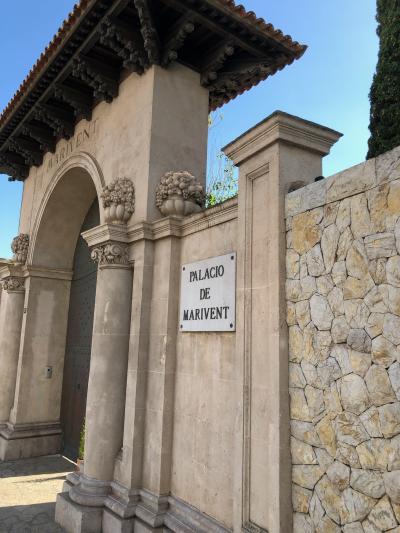
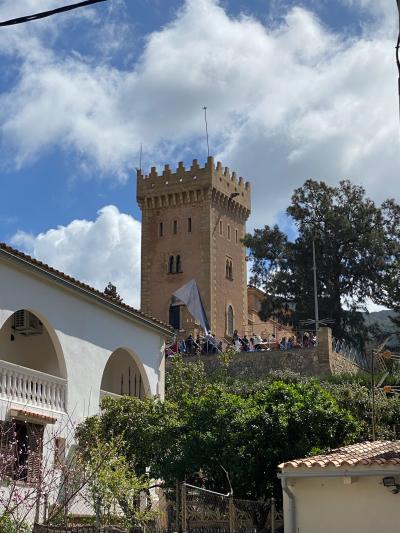
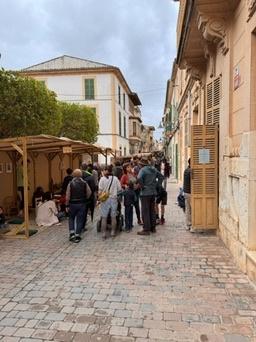
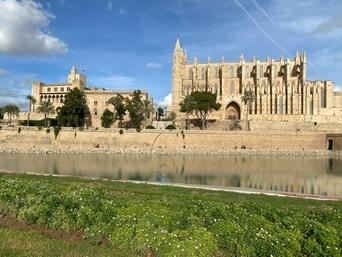
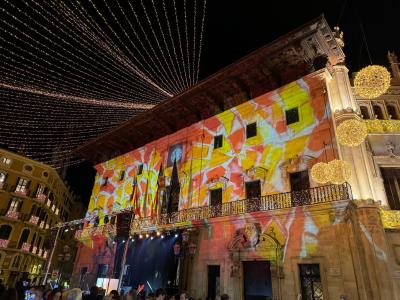
Traditional Mediterranean architecture plays a significant role in shaping the unique character and charm of Mallorca. This architectural style is deeply rooted in the island's history, influenced by various cultures over centuries, including the Romans, Moors, and later, the Catalans. The result is a harmonious blend of whitewashed stone buildings, terracotta rooftops, and vibrant blue shutters that reflect the natural light and coastal landscapes. Walking through the narrow streets of towns like Alcúdia or Sóller, visitors can admire the intricate details of traditional facades, often adorned with decorative tiles and wrought-iron balconies, creating a picturesque scene that feels both timeless and inviting.
The use of local materials, such as limestone and clay, not only gives these buildings their distinctive look but also makes them particularly suited to the Mediterranean climate. Thick walls keep interiors cool during the hot summer months, while shaded courtyards provide a welcome retreat from the sun. This thoughtful design reflects a lifestyle that embraces outdoor living, with many homes featuring terraces and gardens that blend seamlessly with the surrounding landscape. The architecture is not just aesthetically pleasing; it embodies a way of life that values community and connection to nature.
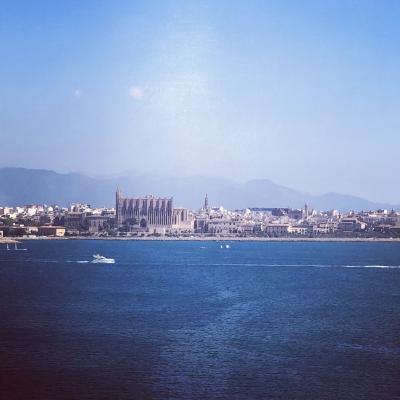
Moreover, traditional Mediterranean architecture in Mallorca has become a source of pride for locals, who often work to preserve these historic structures amidst modern development. Restoration efforts ensure that the island's rich cultural heritage is maintained, allowing visitors to experience the authentic essence of Mallorca. As you explore the island, the architectural beauty serves as a backdrop to the vibrant culture, warm hospitality, and stunning natural scenery, making your journey through Mallorca not just a visual feast, but also a deeper dive into its storied past.
The use of local materials, such as limestone and clay, not only gives these buildings their distinctive look but also makes them particularly suited to the Mediterranean climate. Thick walls keep interiors cool during the hot summer months, while shaded courtyards provide a welcome retreat from the sun. This thoughtful design reflects a lifestyle that embraces outdoor living, with many homes featuring terraces and gardens that blend seamlessly with the surrounding landscape. The architecture is not just aesthetically pleasing; it embodies a way of life that values community and connection to nature.
Moreover, traditional Mediterranean architecture in Mallorca has become a source of pride for locals, who often work to preserve these historic structures amidst modern development. Restoration efforts ensure that the island's rich cultural heritage is maintained, allowing visitors to experience the authentic essence of Mallorca. As you explore the island, the architectural beauty serves as a backdrop to the vibrant culture, warm hospitality, and stunning natural scenery, making your journey through Mallorca not just a visual feast, but also a deeper dive into its storied past.

Llucmajor
More Fotos