How can I communicate with locals if I don't speak Spanish?
Similar Topics
communication with locals
translation apps
learn basic Spanish
tourist-friendly areas
gesture communication
local tours
workshops
English speaking locals
language gap
travel tips
If you find yourself in a Spanish-speaking country and don't speak the language, there are still many effective ways to communicate with locals. First, consider using translation apps on your smartphone. These applications can translate text and even spoken phrases in real time, which can be incredibly helpful when trying to ask for directions, order food, or engage in simple conversations. Download a few reliable apps before your trip, so you can access them offline if needed.
Another great approach is to learn a few basic phrases in Spanish. Even a simple "hola" for hello, "gracias" for thank you, or "por favor" for please can go a long way in showing respect and goodwill. Many locals appreciate the effort, even if your pronunciation isn't perfect. Additionally, gestures and body language can be powerful tools for communication. Pointing to objects, using facial expressions, and miming actions can help convey your message effectively.
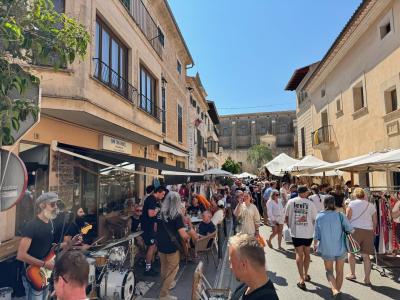
If you're in a tourist-friendly area, you might find that some locals speak basic English, especially in shops, restaurants, and hotels. Don't hesitate to speak slowly and clearly, as this often makes it easier for non-native speakers to understand you. Finally, if you're feeling adventurous, consider joining a local tour or workshop, where guides often speak English and can help bridge the language gap while providing a deeper understanding of the culture. Engaging with locals through these experiences can create memorable connections, even without fluency in Spanish.
Another great approach is to learn a few basic phrases in Spanish. Even a simple "hola" for hello, "gracias" for thank you, or "por favor" for please can go a long way in showing respect and goodwill. Many locals appreciate the effort, even if your pronunciation isn't perfect. Additionally, gestures and body language can be powerful tools for communication. Pointing to objects, using facial expressions, and miming actions can help convey your message effectively.
If you're in a tourist-friendly area, you might find that some locals speak basic English, especially in shops, restaurants, and hotels. Don't hesitate to speak slowly and clearly, as this often makes it easier for non-native speakers to understand you. Finally, if you're feeling adventurous, consider joining a local tour or workshop, where guides often speak English and can help bridge the language gap while providing a deeper understanding of the culture. Engaging with locals through these experiences can create memorable connections, even without fluency in Spanish.
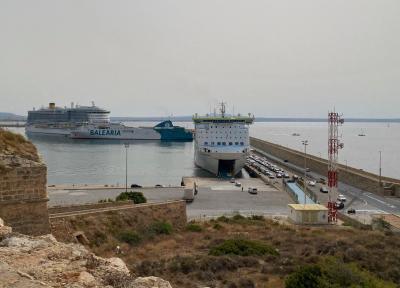
ses Illetes
More Fotos