How do the experiences of tourists today differ from those who visited Mallorca in the 1980s and 1990s?
Similar Topics
Mallorca tourism
1980s Mallorca
Mallorca beaches
local cuisine Mallorca
luxury resorts Mallorca
boutique hotels Mallorca
culinary experiences Mallorca
digital travel planning
hidden gems Mallorca
Mallorca travel trends
Tourists today experience Mallorca in ways that are markedly different from those who visited during the 1980s and 1990s. Back then, the island was often characterized by a more laid-back, less commercialized atmosphere, with many visitors drawn to its pristine beaches and charming villages without the extensive infrastructure that exists today. Accommodations were more limited, often consisting of small family-run hotels or simple pensions, giving travelers a more intimate connection to local life. The dining scene was also different, with fewer international restaurants, leading tourists to enjoy authentic Mallorcan cuisine at local taverns.
In contrast, modern visitors benefit from a wealth of options, both in terms of accommodations and activities. The tourism industry has expanded significantly, with luxury resorts, boutique hotels, and a variety of vacation rentals catering to diverse preferences and budgets. Additionally, the culinary landscape has transformed, featuring a vibrant mix of global cuisines alongside traditional dishes, which reflects the island's evolution into a gastronomic destination. Tourists now have access to gourmet food markets, high-end restaurants, and innovative dining experiences that showcase local produce and culinary traditions.
Furthermore, the digital age has revolutionized the way travelers plan their trips. Today, tourists can easily access information online, from booking accommodations to discovering hidden gems and local experiences. Social media influences travel choices, with platforms like Instagram showcasing the island's stunning landscapes and cultural sites, enticing more visitors than ever before. This shift has also led to a more crowded experience in popular areas, prompting some to seek out lesser-known spots to escape the crowds while still enjoying the island's natural beauty and rich history. Overall, while the essence of Mallorca remains, the experiences of tourists today reflect a blend of tradition and modern convenience that makes the island a dynamic and appealing destination.
In contrast, modern visitors benefit from a wealth of options, both in terms of accommodations and activities. The tourism industry has expanded significantly, with luxury resorts, boutique hotels, and a variety of vacation rentals catering to diverse preferences and budgets. Additionally, the culinary landscape has transformed, featuring a vibrant mix of global cuisines alongside traditional dishes, which reflects the island's evolution into a gastronomic destination. Tourists now have access to gourmet food markets, high-end restaurants, and innovative dining experiences that showcase local produce and culinary traditions.
Furthermore, the digital age has revolutionized the way travelers plan their trips. Today, tourists can easily access information online, from booking accommodations to discovering hidden gems and local experiences. Social media influences travel choices, with platforms like Instagram showcasing the island's stunning landscapes and cultural sites, enticing more visitors than ever before. This shift has also led to a more crowded experience in popular areas, prompting some to seek out lesser-known spots to escape the crowds while still enjoying the island's natural beauty and rich history. Overall, while the essence of Mallorca remains, the experiences of tourists today reflect a blend of tradition and modern convenience that makes the island a dynamic and appealing destination.
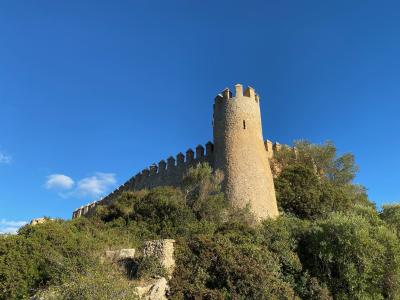
Capdepera Castle
More Fotos