What role does traditional Mallorcan music play in the classical music landscape here?
Similar Topics
Mallorcan music
classical music Mallorca
traditional music Mallorca
folk music Mallorca
Mallorca cultural heritage
music festivals Mallorca
Pollença music festival
Mallorca music scene
local musicians Mallorca
Mallorca travel
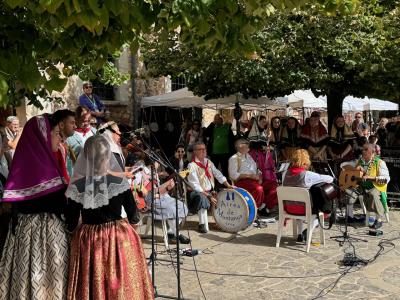
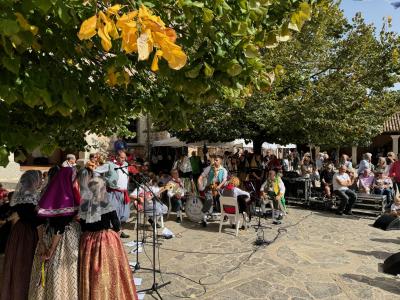
Traditional Mallorcan music holds a unique and significant place within the classical music landscape of the island. Rooted in a rich cultural heritage, it reflects the diverse influences that have shaped Mallorca over the centuries, from the Moorish period to the Catalan and Spanish traditions. The island's folk music, characterized by its lively rhythms and distinctive instruments like the xeremía (a type of bagpipe) and the guitar, often incorporates themes of rural life and nature, providing a vibrant backdrop to the island's cultural identity. This folk tradition not only preserves the local dialects and stories but also inspires classical composers and musicians who seek to capture the essence of Mallorca in their works.
In recent years, there has been a growing interest in blending traditional Mallorcan music with classical forms, resulting in innovative performances that celebrate both genres. Local orchestras and ensembles often incorporate folk melodies and rhythms into their classical repertoires, creating a dialogue between the past and the present. Festivals and concerts throughout the year, such as the Festival Internacional de Música de Pollença, showcase these fusions, attracting both locals and visitors eager to experience the island's musical heritage. This interplay enriches Mallorca's cultural scene, making it a dynamic destination for music lovers who wish to explore how traditional sounds can harmoniously coexist with classical compositions.
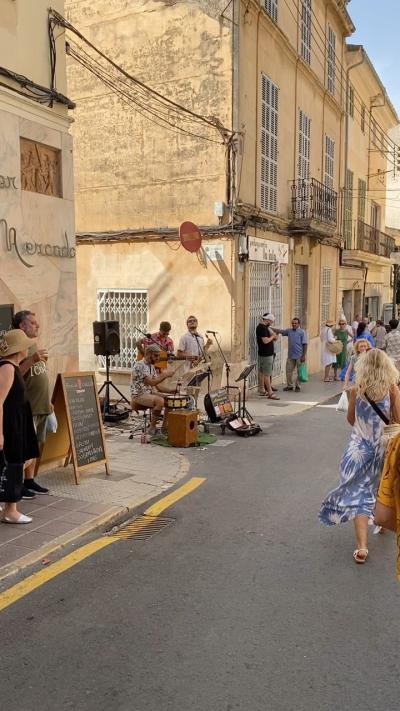
Furthermore, the educational initiatives in local schools and music academies promote the appreciation of Mallorcan music among younger generations, ensuring that this vital aspect of the island's identity is preserved for the future. As visitors wander through charming towns and villages, they may encounter street performers and local musicians who embody this spirit, infusing their performances with both traditional and contemporary influences. In this way, traditional Mallorcan music not only enhances the classical music landscape but also serves as a living connection to the island's history, culture, and community, inviting travelers to engage with Mallorca on a deeper, more meaningful level.
In recent years, there has been a growing interest in blending traditional Mallorcan music with classical forms, resulting in innovative performances that celebrate both genres. Local orchestras and ensembles often incorporate folk melodies and rhythms into their classical repertoires, creating a dialogue between the past and the present. Festivals and concerts throughout the year, such as the Festival Internacional de Música de Pollença, showcase these fusions, attracting both locals and visitors eager to experience the island's musical heritage. This interplay enriches Mallorca's cultural scene, making it a dynamic destination for music lovers who wish to explore how traditional sounds can harmoniously coexist with classical compositions.
Furthermore, the educational initiatives in local schools and music academies promote the appreciation of Mallorcan music among younger generations, ensuring that this vital aspect of the island's identity is preserved for the future. As visitors wander through charming towns and villages, they may encounter street performers and local musicians who embody this spirit, infusing their performances with both traditional and contemporary influences. In this way, traditional Mallorcan music not only enhances the classical music landscape but also serves as a living connection to the island's history, culture, and community, inviting travelers to engage with Mallorca on a deeper, more meaningful level.
Lluc
More Fotos