What is the history behind some of the traditional recipes in Mallorca?
Similar Topics
Mallorca cuisine
traditional recipes Mallorca
Mediterranean flavors
Moorish influence
local ingredients Mallorca
sobrasada
ensaimada
seafood dishes Mallorca
caldereta de langosta
Mallorcan culinary history
Mallorca's culinary landscape is a rich tapestry woven from its history, geography, and cultural influences. The island's traditional recipes reflect a blend of Mediterranean flavors that have evolved over centuries. The Moorish occupation, which lasted for about 300 years, significantly impacted the local cuisine, introducing spices, nuts, and fruits that are now staple ingredients. Dishes like "tumbet," a vibrant vegetable dish layered with eggplant, peppers, and potatoes, showcase this influence, emphasizing the use of seasonal produce that thrives in Mallorca's fertile soil.
Another key element of Mallorcan cuisine is its reliance on local ingredients, which is deeply rooted in the island's agricultural practices. Traditional recipes often feature staples like sobrasada, a cured sausage made from pork and paprika, and "ensaimada," a sweet pastry that is beloved across the island. These dishes not only reflect the agricultural bounty of Mallorca but also the communal spirit of its people, as many recipes are passed down through generations. The communal preparation of meals, especially during festivals and family gatherings, highlights the importance of food as a social connector in Mallorcan culture.
Furthermore, the island's historical ties with the sea have shaped its seafood dishes. Fresh fish and shellfish are integral to local cuisine, with recipes often incorporating simple preparations that allow the flavors of the ocean to shine. For example, "caldereta de langosta," a delightful lobster stew, showcases the island's maritime heritage and is a testament to the skill of local fishermen. Overall, Mallorcan cuisine is a delicious reflection of its history, blending influences from various cultures while celebrating the island’s natural resources, making it a delightful exploration for any food lover visiting the region.
Another key element of Mallorcan cuisine is its reliance on local ingredients, which is deeply rooted in the island's agricultural practices. Traditional recipes often feature staples like sobrasada, a cured sausage made from pork and paprika, and "ensaimada," a sweet pastry that is beloved across the island. These dishes not only reflect the agricultural bounty of Mallorca but also the communal spirit of its people, as many recipes are passed down through generations. The communal preparation of meals, especially during festivals and family gatherings, highlights the importance of food as a social connector in Mallorcan culture.
Furthermore, the island's historical ties with the sea have shaped its seafood dishes. Fresh fish and shellfish are integral to local cuisine, with recipes often incorporating simple preparations that allow the flavors of the ocean to shine. For example, "caldereta de langosta," a delightful lobster stew, showcases the island's maritime heritage and is a testament to the skill of local fishermen. Overall, Mallorcan cuisine is a delicious reflection of its history, blending influences from various cultures while celebrating the island’s natural resources, making it a delightful exploration for any food lover visiting the region.
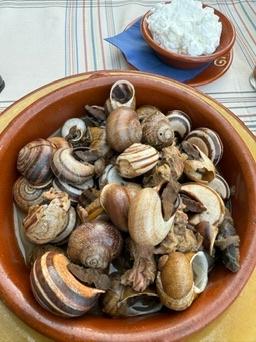
s'Horta
More Fotos






