Are there traditional methods for processing Mallorcan olives?
Similar Topics
Mallorcan olives
olive oil production
traditional olive processing
hand-harvesting olives
olive oil tours Mallorca
Mallorca agriculture
cured olives
local cuisine Mallorca
olive oil tastings
Mallorca cultural heritage
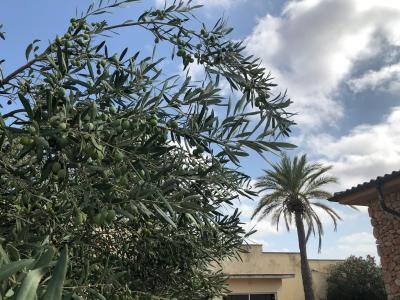
Mallorca, known for its stunning landscapes and rich cultural heritage, has a long-standing tradition of olive cultivation that dates back centuries. The traditional methods for processing Mallorcan olives are deeply rooted in the island's agricultural practices, often passed down through generations. One of the most common traditional methods involves hand-harvesting the olives during the autumn months. Farmers typically use nets spread beneath the trees to catch the olives as they gently shake the branches or use special rakes to gather them without damaging the fruit.
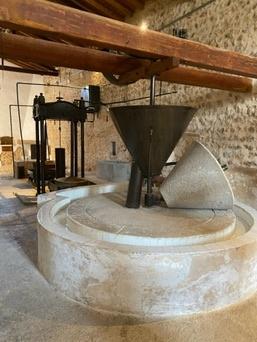
Once harvested, the olives are taken to local presses, where they undergo a series of steps to produce high-quality olive oil. Traditionally, the olives are first washed and then crushed using large stone mills, a method that not only preserves the flavors but also adds a rustic charm to the process. The resulting paste is then spread onto woven mats or fiber discs and stacked to allow the oil to naturally seep out. This oil is collected in containers, and what remains is often used as animal feed or for other purposes. The entire process reflects a commitment to quality and an understanding of the land that is characteristic of Mallorcan culture.
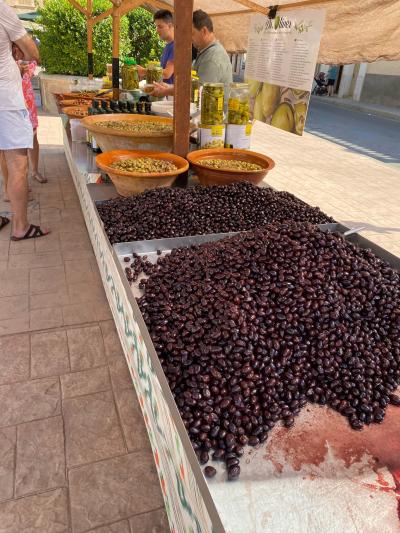
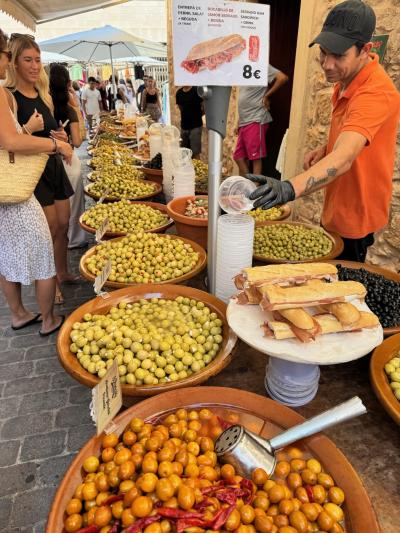
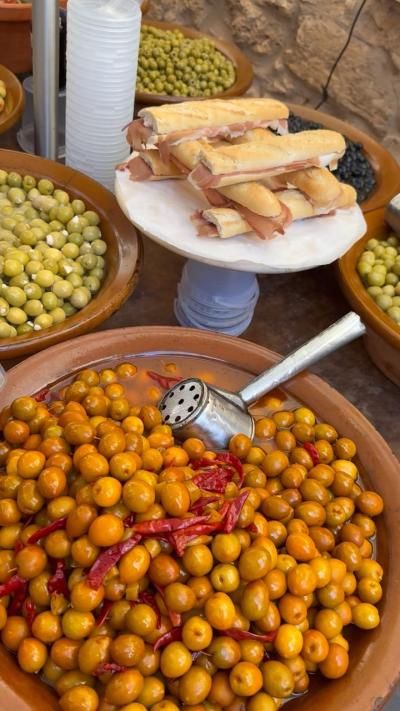
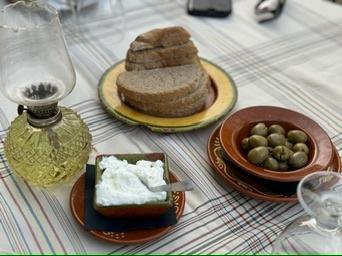
In addition to the oil production, many families also prepare olives for direct consumption, often curing them in brine or marinating them with herbs and spices. This not only enhances the flavor but also preserves the olives, making them a staple in local cuisine. Visitors to Mallorca can explore this tradition firsthand, as many local farms and olive oil mills offer tours and tastings, allowing you to savor the rich flavors of authentically processed Mallorcan olives while learning about the history and techniques behind this beloved local product.
Once harvested, the olives are taken to local presses, where they undergo a series of steps to produce high-quality olive oil. Traditionally, the olives are first washed and then crushed using large stone mills, a method that not only preserves the flavors but also adds a rustic charm to the process. The resulting paste is then spread onto woven mats or fiber discs and stacked to allow the oil to naturally seep out. This oil is collected in containers, and what remains is often used as animal feed or for other purposes. The entire process reflects a commitment to quality and an understanding of the land that is characteristic of Mallorcan culture.
In addition to the oil production, many families also prepare olives for direct consumption, often curing them in brine or marinating them with herbs and spices. This not only enhances the flavor but also preserves the olives, making them a staple in local cuisine. Visitors to Mallorca can explore this tradition firsthand, as many local farms and olive oil mills offer tours and tastings, allowing you to savor the rich flavors of authentically processed Mallorcan olives while learning about the history and techniques behind this beloved local product.
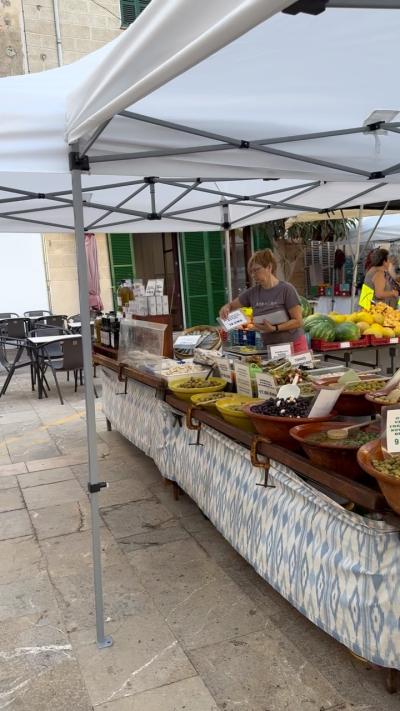
Pollença
More Fotos