What unique architectural styles can I find in Mallorca?
Similar Topics
Mallorca architecture
Gothic architecture
La Seu Cathedral
Mudejar architecture
Modernisme movement
traditional Mallorcan finca
Palma narrow streets
Alcúdia churches
Pollensa structures
Mallorca cultural history
Mallorca boasts a rich tapestry of architectural styles that reflect its diverse history and cultural influences. One of the most prominent styles is the Gothic architecture found in the iconic La Seu Cathedral in Palma. This stunning structure, with its soaring spires and intricate façade, exemplifies the brilliance of Gothic design and offers breathtaking views of the surrounding bay. The cathedral's construction began in the 13th century and continued for several centuries, showcasing a blend of architectural innovations that evolved over time. As you stroll through Palma, you'll also encounter charming narrow streets lined with medieval buildings, many of which display elements of Gothic architecture, including pointed arches and ribbed vaults.
In contrast to the Gothic style, the island also features the unique influence of Mudejar architecture, which combines Moorish and Christian elements. This can be seen in various churches and structures across the island, particularly in the towns of Alcúdia and Pollensa. The intricate tile work, horseshoe arches, and decorative plasterwork are hallmarks of this style, providing a glimpse into Mallorca's multicultural past. Additionally, the Modernisme movement has left its mark on the island, with the work of architect Joan Rubió showcasing vibrant mosaics and organic forms that reflect the natural beauty of the island.
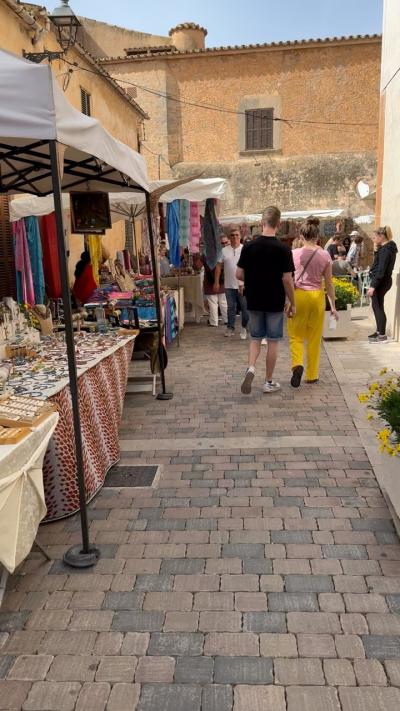
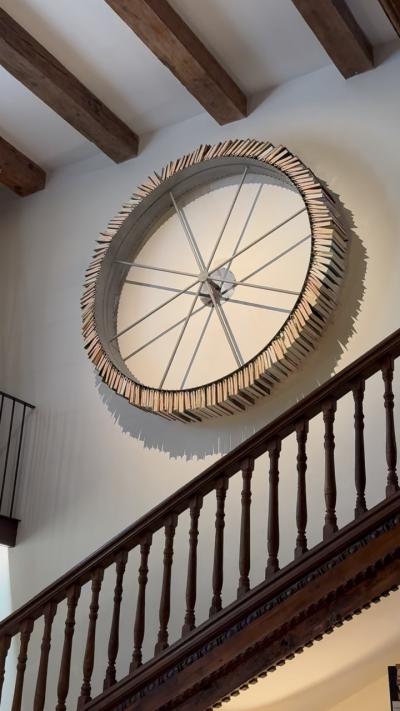
Another architectural gem is the traditional Mallorcan finca, or country house, which often features thick stone walls, wooden beams, and rustic charm. These structures are typically surrounded by lush gardens and olive groves, embodying the island's agrarian heritage. The use of local materials and the incorporation of outdoor spaces, such as terraces and courtyards, create a harmonious connection with the landscape. As you explore the countryside, you'll find numerous examples of these delightful homes, each telling its own story of Mallorca's agricultural history and the lifestyle of its inhabitants. The blend of these architectural styles not only enhances the island's aesthetic appeal but also offers a fascinating insight into its rich cultural narrative.
In contrast to the Gothic style, the island also features the unique influence of Mudejar architecture, which combines Moorish and Christian elements. This can be seen in various churches and structures across the island, particularly in the towns of Alcúdia and Pollensa. The intricate tile work, horseshoe arches, and decorative plasterwork are hallmarks of this style, providing a glimpse into Mallorca's multicultural past. Additionally, the Modernisme movement has left its mark on the island, with the work of architect Joan Rubió showcasing vibrant mosaics and organic forms that reflect the natural beauty of the island.
Another architectural gem is the traditional Mallorcan finca, or country house, which often features thick stone walls, wooden beams, and rustic charm. These structures are typically surrounded by lush gardens and olive groves, embodying the island's agrarian heritage. The use of local materials and the incorporation of outdoor spaces, such as terraces and courtyards, create a harmonious connection with the landscape. As you explore the countryside, you'll find numerous examples of these delightful homes, each telling its own story of Mallorca's agricultural history and the lifestyle of its inhabitants. The blend of these architectural styles not only enhances the island's aesthetic appeal but also offers a fascinating insight into its rich cultural narrative.

More Fotos