How do the oak trees in Mallorca differ from those in other regions?
Similar Topics
Mallorca oak trees
holm oak
Quercus ilex
evergreen trees
Mediterranean climate
Serra de Tramuntana
Mallorca biodiversity
Valldemossa
hiking in Mallorca
Mallorca natural environment
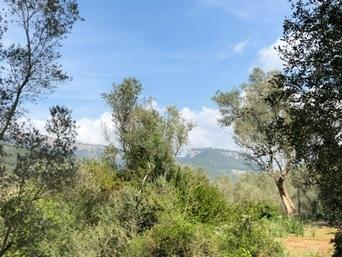
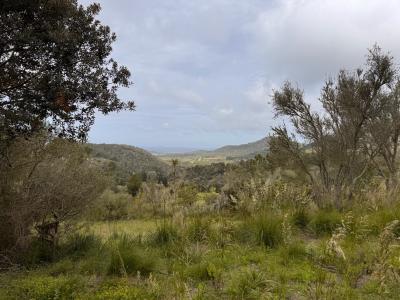
The oak trees in Mallorca, particularly the holm oak, are quite distinctive and play a significant role in the island's landscape and ecosystem. Unlike the more commonly known deciduous oaks found in other regions, the holm oak, or Quercus ilex, is an evergreen species. This means that it retains its leaves throughout the year, giving the Mallorca countryside a lush, green appearance even in the winter months. These trees have adapted to the Mediterranean climate, thriving in the dry summers and mild winters, making them well-suited to the local environment.
In addition to their evergreen nature, the holm oaks in Mallorca tend to be more gnarled and twisted than those typically found in temperate regions. This unique growth pattern often results from the island's rocky terrain and variable weather conditions. The trees are a vital part of the island's biodiversity, providing habitat and food for various wildlife, including birds, insects, and small mammals. The acorns produced by these oaks are also a crucial food source for livestock, particularly in traditional farming practices that still exist on the island.
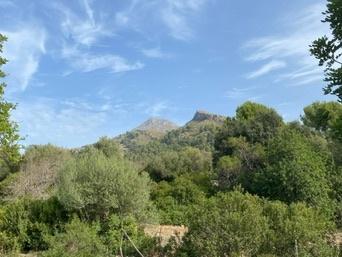
Exploring the areas where these oaks grow, such as the Serra de Tramuntana mountain range or the rural landscapes near villages like Valldemossa, offers visitors a chance to appreciate the beauty of Mallorca's natural environment. The interplay of light and shadow created by these majestic trees enhances the charm of the island's scenery, making it a perfect backdrop for hiking and outdoor activities. Their presence is a reminder of the deep-rooted connection between the island's culture and its natural history, making them an essential aspect of Mallorca's identity.
In addition to their evergreen nature, the holm oaks in Mallorca tend to be more gnarled and twisted than those typically found in temperate regions. This unique growth pattern often results from the island's rocky terrain and variable weather conditions. The trees are a vital part of the island's biodiversity, providing habitat and food for various wildlife, including birds, insects, and small mammals. The acorns produced by these oaks are also a crucial food source for livestock, particularly in traditional farming practices that still exist on the island.
Exploring the areas where these oaks grow, such as the Serra de Tramuntana mountain range or the rural landscapes near villages like Valldemossa, offers visitors a chance to appreciate the beauty of Mallorca's natural environment. The interplay of light and shadow created by these majestic trees enhances the charm of the island's scenery, making it a perfect backdrop for hiking and outdoor activities. Their presence is a reminder of the deep-rooted connection between the island's culture and its natural history, making them an essential aspect of Mallorca's identity.
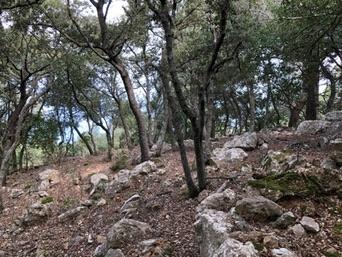
Serra de Tramuntana
More Fotos