How do the flavors and dishes in Mallorca differ from those in mainland Spain?
Similar Topics
Mallorca cuisine
Mediterranean flavors
traditional Mallorcan dishes
ensaimada
sobrasada
tumbet
local ingredients
Mallorca travel
seafood dishes
culinary heritage
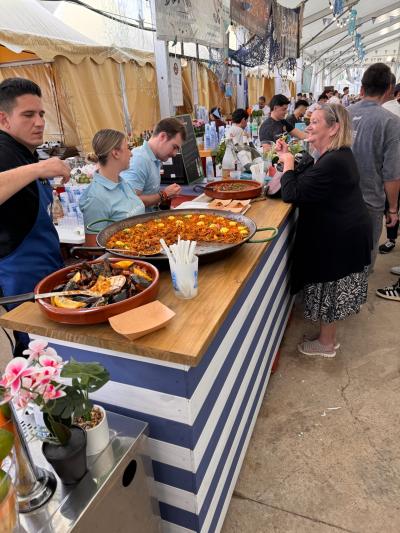
Mallorca's culinary landscape offers a delightful departure from the flavors found in mainland Spain, deeply influenced by its unique geography and cultural history. The island's Mediterranean climate fosters the growth of a variety of fresh produce, which is often showcased in traditional dishes. One of the standout elements of Mallorcan cuisine is the use of local ingredients, such as almonds, olives, and a wide array of seafood. Dishes like "tumbet," a vibrant ratatouille-like preparation of layers of eggplant, potatoes, and bell peppers, highlight the island's agricultural produce, while fresh fish reflects the bountiful waters that surround it.
In contrast to the more widely recognized Spanish dishes such as paella or tapas, Mallorca boasts its own specialties, such as "ensaimada," a sweet pastry that has become a symbol of the island. This spiral-shaped dessert is light and fluffy, often enjoyed for breakfast or as a snack, and can be filled with a variety of ingredients, from pumpkin to cream. Additionally, the island's hearty "sobrasada," a cured sausage made from pork and paprika, offers a distinctive flavor that sets it apart from mainland Spanish cured meats. The incorporation of spices like saffron and the use of local herbs, including rosemary and thyme, further enrich the Mallorcan palate, creating a unique culinary identity that reflects the island’s rich heritage and diverse influences.
Beyond the dishes themselves, the dining experience in Mallorca often emphasizes communal eating, with many meals enjoyed at family gatherings or in local taverns known as "cellers." This focus on sharing highlights the island's warm hospitality and invites visitors to savor the flavors in a more intimate setting. So, whether you're sampling a traditional "pa amb oli" (bread with oil) with local cheese and cured meats or indulging in seafood plucked fresh from the Mediterranean, the flavors of Mallorca promise a delightful and distinct experience that sets it apart from the mainland.
In contrast to the more widely recognized Spanish dishes such as paella or tapas, Mallorca boasts its own specialties, such as "ensaimada," a sweet pastry that has become a symbol of the island. This spiral-shaped dessert is light and fluffy, often enjoyed for breakfast or as a snack, and can be filled with a variety of ingredients, from pumpkin to cream. Additionally, the island's hearty "sobrasada," a cured sausage made from pork and paprika, offers a distinctive flavor that sets it apart from mainland Spanish cured meats. The incorporation of spices like saffron and the use of local herbs, including rosemary and thyme, further enrich the Mallorcan palate, creating a unique culinary identity that reflects the island’s rich heritage and diverse influences.
Beyond the dishes themselves, the dining experience in Mallorca often emphasizes communal eating, with many meals enjoyed at family gatherings or in local taverns known as "cellers." This focus on sharing highlights the island's warm hospitality and invites visitors to savor the flavors in a more intimate setting. So, whether you're sampling a traditional "pa amb oli" (bread with oil) with local cheese and cured meats or indulging in seafood plucked fresh from the Mediterranean, the flavors of Mallorca promise a delightful and distinct experience that sets it apart from the mainland.

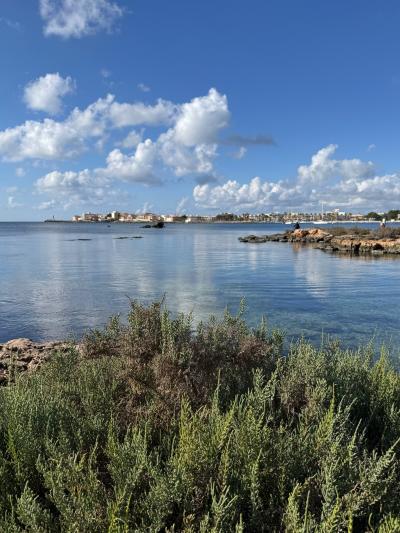
Cala Figuera
More Fotos