How do the flavors of Mallorcan tapas differ from those in mainland Spain?
Similar Topics
Mallorcan tapas
Spanish cuisine
local seafood
sobrasada
ensaïmada
Mediterranean flavors
culinary identity
tapas dining
fresh ingredients
Mallorca travel
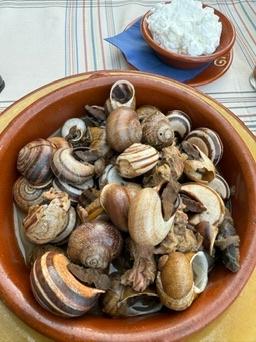
Mallorcan tapas offer a delightful twist on the traditional Spanish experience, reflecting the island's unique history and its blend of cultural influences. While mainland Spain is known for its vibrant array of flavors, influenced by various regions—from the seafood-rich dishes of Galicia to the robust meats of Andalusia—Mallorca brings its own character to the table. The island's tapas often highlight its agricultural bounty and coastal resources, featuring local ingredients such as sobrasada, a cured sausage made from pork, paprika, and spices, which adds a distinct, spicy richness to many dishes. Additionally, dishes like ensaïmada, a sweet pastry, showcase the island's penchant for combining savory and sweet flavors.
Another notable difference is the emphasis on fresh, local seafood in Mallorcan tapas. The Mediterranean waters surrounding the island provide an abundance of fish and shellfish, leading to dishes that might include grilled octopus or fried calamares that are typically lighter and more delicate compared to the heartier offerings found on the mainland. Moreover, the use of local herbs like thyme and rosemary infuses many Mallorcan dishes with aromatic nuances that set them apart. These flavors, combined with the island's rustic bread and locally produced olive oil, create a tapestry of taste that reflects Mallorca's agricultural heritage and coastal charm.
Overall, while you will find familiar favorites like patatas bravas or tortilla española both in Mallorca and on the mainland, the island’s tapas are often characterized by a more subdued, earthy flavor profile, focusing on simplicity and freshness. Dining on tapas in Mallorca not only satisfies the palate but also allows visitors to experience the island's distinct culinary identity, shaped by its geography, history, and the warmth of its local culture.
Another notable difference is the emphasis on fresh, local seafood in Mallorcan tapas. The Mediterranean waters surrounding the island provide an abundance of fish and shellfish, leading to dishes that might include grilled octopus or fried calamares that are typically lighter and more delicate compared to the heartier offerings found on the mainland. Moreover, the use of local herbs like thyme and rosemary infuses many Mallorcan dishes with aromatic nuances that set them apart. These flavors, combined with the island's rustic bread and locally produced olive oil, create a tapestry of taste that reflects Mallorca's agricultural heritage and coastal charm.
Overall, while you will find familiar favorites like patatas bravas or tortilla española both in Mallorca and on the mainland, the island’s tapas are often characterized by a more subdued, earthy flavor profile, focusing on simplicity and freshness. Dining on tapas in Mallorca not only satisfies the palate but also allows visitors to experience the island's distinct culinary identity, shaped by its geography, history, and the warmth of its local culture.
More Fotos