Are there any unique local fishing practices that influence what’s available?
Similar Topics
local fishing practices
sustainable fishing
indigenous fishing techniques
Mediterranean fishing
lampara fishing
salmon harvesting
fishing culture
seafood markets
fishing regulations
coastal communities
In many coastal regions, local fishing practices are deeply intertwined with the cultural heritage and environmental sustainability of the area. For instance, in places like the Pacific Northwest, indigenous fishing techniques still play a significant role in the local economy and ecosystem. Tribes often employ traditional methods such as dip-netting and seine fishing, which not only help to maintain fish populations but also reflect centuries of knowledge passed down through generations. These practices can influence the availability of species like salmon, as they are often harvested during specific seasons that respect their spawning cycles, ensuring that fishing remains sustainable.
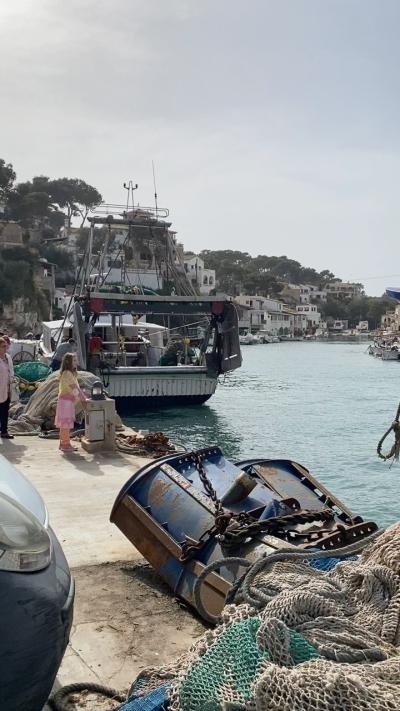
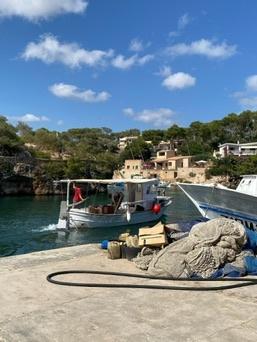
In addition to indigenous methods, many communities have adopted unique approaches to fishing that cater to their specific environments. For example, in the Mediterranean region, you might find practices like "lampara fishing," where fishermen use large nets illuminated by lights to attract fish at night. This technique not only targets species like sardines and anchovies but also showcases the local tradition of nighttime fishing, which enhances the fishing experience and contributes to the region's culinary offerings. The timing and methods of these practices can significantly impact what fish are available at local markets, often leading to a delightful variety of fresh seafood that reflects the season and the community’s fishing culture.
Moreover, local regulations often shape fishing practices to promote sustainability. Many coastal towns have established no-catch zones or specific seasons for certain species, which helps to preserve the marine ecosystem while providing fishermen with guidelines that ensure their livelihoods can continue for generations. Visiting local markets or fishing docks can offer a glimpse into how these practices influence not just what fish are readily available, but also the stories behind them—stories of local fishermen, their traditions, and the vibrant community that supports sustainable fishing. This connection to the land and sea adds a rich layer to the experience of enjoying local seafood, making it not just a meal but a celebration of the region’s identity.
In addition to indigenous methods, many communities have adopted unique approaches to fishing that cater to their specific environments. For example, in the Mediterranean region, you might find practices like "lampara fishing," where fishermen use large nets illuminated by lights to attract fish at night. This technique not only targets species like sardines and anchovies but also showcases the local tradition of nighttime fishing, which enhances the fishing experience and contributes to the region's culinary offerings. The timing and methods of these practices can significantly impact what fish are available at local markets, often leading to a delightful variety of fresh seafood that reflects the season and the community’s fishing culture.
Moreover, local regulations often shape fishing practices to promote sustainability. Many coastal towns have established no-catch zones or specific seasons for certain species, which helps to preserve the marine ecosystem while providing fishermen with guidelines that ensure their livelihoods can continue for generations. Visiting local markets or fishing docks can offer a glimpse into how these practices influence not just what fish are readily available, but also the stories behind them—stories of local fishermen, their traditions, and the vibrant community that supports sustainable fishing. This connection to the land and sea adds a rich layer to the experience of enjoying local seafood, making it not just a meal but a celebration of the region’s identity.
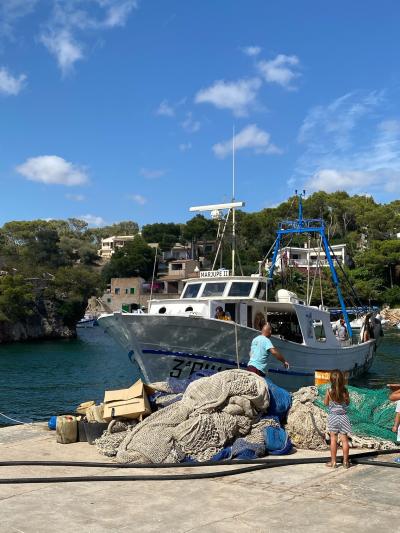
Cala Figuera
More Fotos