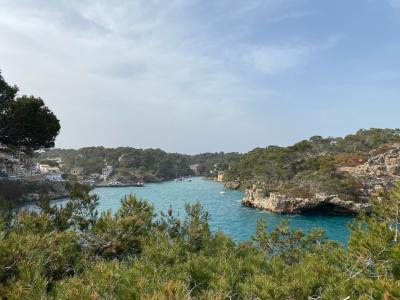
Are there any unique weather phenomena that occur in Mallorca?
Similar Topics
Mallorca weather phenomena
Gota Fría Mallorca
Tramuntana wind
calima Mallorca
Mallorca travel tips
Serra de Tramuntana
Mallorca autumn weather
Mallorca beaches
kite surfing Mallorca
wind surfing Mallorca
Mallorca, the largest of the Balearic Islands, experiences a variety of weather phenomena that can make a visit particularly fascinating. One unique occurrence is the "Gota Fría," or cold drop, which is a sudden and intense rainstorm often seen during the autumn months, particularly in September and October. This phenomenon can lead to heavy rainfall over a short period, causing flash floods in some areas. While it might sound alarming, the Gota Fría often brings a refreshing change to the island's usually warm climate and contributes to the lush greenery that appears in the following months.
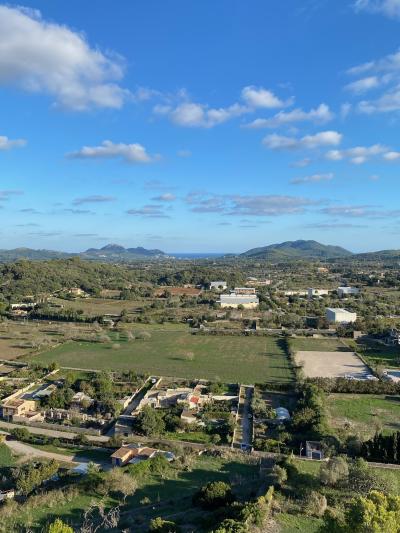
Another interesting weather pattern is the "Tramuntana" wind, which blows from the north and can be quite strong at times. This wind not only influences the island's climate but also its culture and activities. For example, during the Tramuntana, it’s not uncommon to see kite surfers and windsurfers taking advantage of the conditions along the northern coast. The wind can also create stunning scenery, as it often clears the skies, resulting in brilliant blue days that are perfect for hiking in the Serra de Tramuntana mountain range, a UNESCO World Heritage site.
In spring, you might also experience the phenomenon known as "calima," a warm, dry wind that carries dust from the Sahara Desert. This can lead to hazy skies and a notable increase in temperatures, providing a unique contrast to the usual pleasant spring weather. While calima can obscure views slightly, it also adds a touch of intrigue to the island's landscape, often resulting in breathtaking sunsets with unusual color palettes. Overall, Mallorca's diverse weather phenomena not only enrich the natural beauty of the island but also enhance the experience for travelers seeking something beyond the typical beach getaway.
Another interesting weather pattern is the "Tramuntana" wind, which blows from the north and can be quite strong at times. This wind not only influences the island's climate but also its culture and activities. For example, during the Tramuntana, it’s not uncommon to see kite surfers and windsurfers taking advantage of the conditions along the northern coast. The wind can also create stunning scenery, as it often clears the skies, resulting in brilliant blue days that are perfect for hiking in the Serra de Tramuntana mountain range, a UNESCO World Heritage site.
In spring, you might also experience the phenomenon known as "calima," a warm, dry wind that carries dust from the Sahara Desert. This can lead to hazy skies and a notable increase in temperatures, providing a unique contrast to the usual pleasant spring weather. While calima can obscure views slightly, it also adds a touch of intrigue to the island's landscape, often resulting in breathtaking sunsets with unusual color palettes. Overall, Mallorca's diverse weather phenomena not only enrich the natural beauty of the island but also enhance the experience for travelers seeking something beyond the typical beach getaway.
Castell de Bellver
More Fotos