How did the political landscape of Mallorca affect Valldemossa over the centuries?
Similar Topics
Mallorca history
Valldemossa culture
political landscape Mallorca
Islamic rule Mallorca
Christian conquest Mallorca
Frédéric Chopin Valldemossa
tourism in Valldemossa
19th century Valldemossa
Mallorca architecture
Mallorca heritage
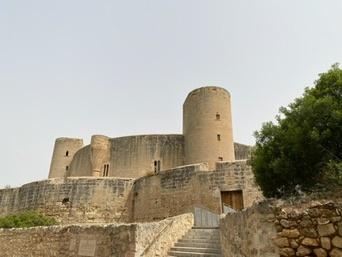
The political landscape of Mallorca has had a profound influence on the charming village of Valldemossa throughout the centuries. Originally, during the time of the Islamic rule from the 10th to the 13th centuries, the island saw significant cultural and economic development. Valldemossa, like many other towns, flourished under this period, benefiting from advancements in agriculture and architecture. The village's strategic location among lush greenery and hills made it an attractive settlement. However, the political changes that followed the Christian conquest in 1229 brought a shift in power dynamics, as the island was integrated into the Kingdom of Aragon. This transition marked the beginning of a new era for Valldemossa, leading to the establishment of monasteries and churches that still stand as testaments to its rich history.
The 19th century was particularly transformative for Valldemossa, as political unrest and the decline of feudalism began to reshape the island's social fabric. The village became a refuge for artists and intellectuals, most notably the composer Frédéric Chopin and writer George Sand, who sought solace there in 1838. Their presence not only highlighted Valldemossa's beauty but also established it as a cultural hotspot, attracting visitors drawn by the allure of artistic history. The political climate, characterized by the rise of nationalism and the quest for identity, further fueled a sense of pride among locals, who began to embrace their heritage more passionately.
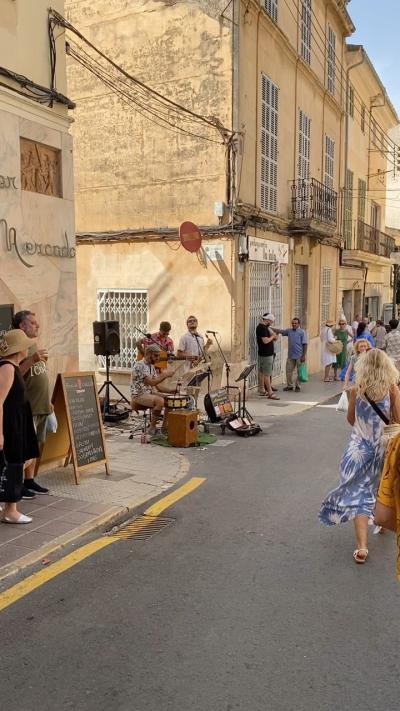
In the 20th century, Mallorca underwent significant changes due to tourism and modernization, which brought both opportunities and challenges. The political stability that followed Franco's regime allowed for the development of infrastructure, making Valldemossa more accessible to travelers. However, this also led to concerns about preserving the village's unique character amidst the rapid influx of visitors. Today, Valldemossa reflects a blend of its rich historical past and the influences of contemporary politics, showcasing how the ebb and flow of power have left an indelible mark on its landscape and culture. Visitors can still feel the echoes of its storied history as they wander through its picturesque streets, surrounded by the remnants of its complex political journey.
The 19th century was particularly transformative for Valldemossa, as political unrest and the decline of feudalism began to reshape the island's social fabric. The village became a refuge for artists and intellectuals, most notably the composer Frédéric Chopin and writer George Sand, who sought solace there in 1838. Their presence not only highlighted Valldemossa's beauty but also established it as a cultural hotspot, attracting visitors drawn by the allure of artistic history. The political climate, characterized by the rise of nationalism and the quest for identity, further fueled a sense of pride among locals, who began to embrace their heritage more passionately.
In the 20th century, Mallorca underwent significant changes due to tourism and modernization, which brought both opportunities and challenges. The political stability that followed Franco's regime allowed for the development of infrastructure, making Valldemossa more accessible to travelers. However, this also led to concerns about preserving the village's unique character amidst the rapid influx of visitors. Today, Valldemossa reflects a blend of its rich historical past and the influences of contemporary politics, showcasing how the ebb and flow of power have left an indelible mark on its landscape and culture. Visitors can still feel the echoes of its storied history as they wander through its picturesque streets, surrounded by the remnants of its complex political journey.

More Fotos