What wildlife or natural phenomena can I expect to see in Mallorca during the off-peak season?
Similar Topics
Mallorca wildlife
off-peak season Mallorca
birdwatching Mallorca
Albufera Natural Park
European bee-eater
flamingos Mallorca
Tramuntana mountain range
hiking in Mallorca
calima phenomenon
Mallorca natural beauty
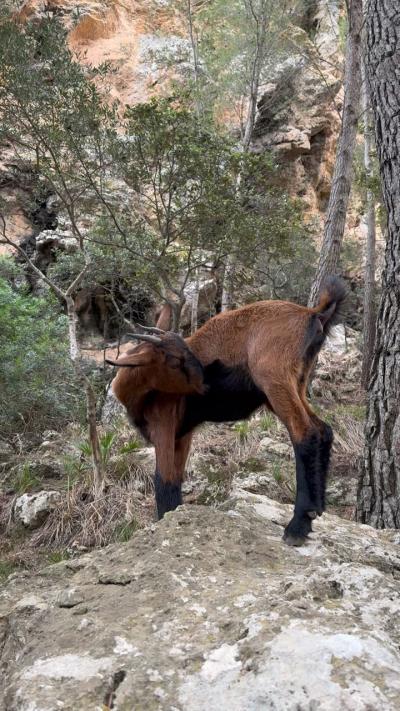
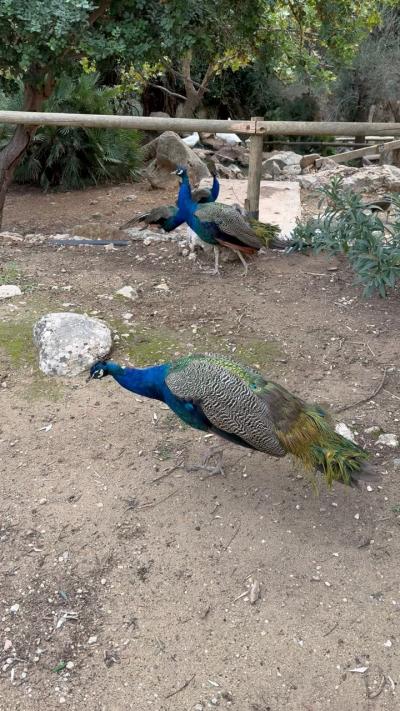
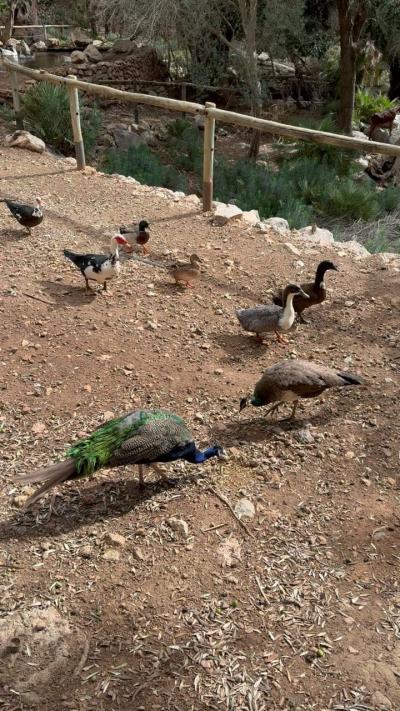
During the off-peak season in Mallorca, which spans from late autumn to early spring, you can expect to encounter a unique array of wildlife and natural phenomena that many visitors overlook. The island's mild climate allows various species to thrive year-round, and this period often reveals a more tranquil side of Mallorca's natural beauty. Birdwatching is particularly rewarding during this time, as migratory birds pass through the island, making it a haven for ornithologists and nature enthusiasts. Look for species like the European bee-eater or the striking flamingos in the salt flats of Albufera Natural Park, where they congregate in the cooler months.
The landscape during the off-peak season is also a treat for the senses. The greenery is particularly lush after the autumn rains, and you'll have the chance to admire the island’s wildflowers, which bloom in early spring, painting the meadows with vibrant colors. Coastal walks can be quite serene, offering breathtaking views of the Mediterranean without the summer crowds. If you’re fortunate, you might even witness the phenomenon of the “calima,” a weather pattern that brings warm winds and sand from the Sahara, occasionally resulting in surreal, hazy sunsets that are nothing short of magical.
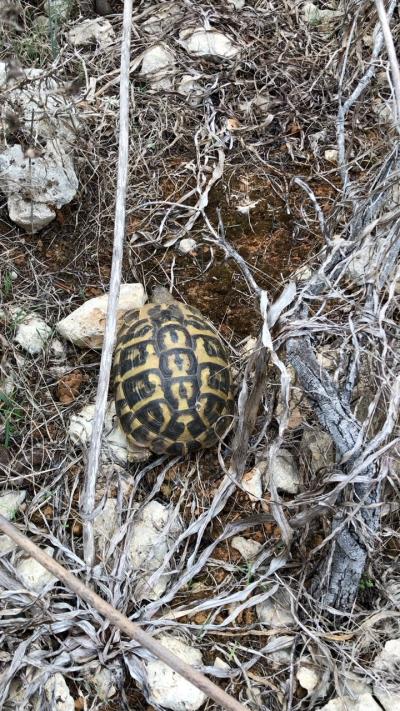
Additionally, the colder months are an excellent time for hiking in the Tramuntana mountain range, where the cooler air and clear skies provide perfect conditions for exploring the rugged terrain. As you meander through the trails, keep an eye out for native wildlife such as the endangered Balearic midwife toad and various endemic plant species. The peaceful atmosphere allows for a more intimate experience with nature, making it an ideal time to appreciate Mallorca's stunning biodiversity. Overall, the off-peak season offers a chance to connect with the island's natural wonders in a more personal and less hurried manner.
The landscape during the off-peak season is also a treat for the senses. The greenery is particularly lush after the autumn rains, and you'll have the chance to admire the island’s wildflowers, which bloom in early spring, painting the meadows with vibrant colors. Coastal walks can be quite serene, offering breathtaking views of the Mediterranean without the summer crowds. If you’re fortunate, you might even witness the phenomenon of the “calima,” a weather pattern that brings warm winds and sand from the Sahara, occasionally resulting in surreal, hazy sunsets that are nothing short of magical.
Additionally, the colder months are an excellent time for hiking in the Tramuntana mountain range, where the cooler air and clear skies provide perfect conditions for exploring the rugged terrain. As you meander through the trails, keep an eye out for native wildlife such as the endangered Balearic midwife toad and various endemic plant species. The peaceful atmosphere allows for a more intimate experience with nature, making it an ideal time to appreciate Mallorca's stunning biodiversity. Overall, the off-peak season offers a chance to connect with the island's natural wonders in a more personal and less hurried manner.

More Fotos