How do the trail conditions vary throughout the year on the GR 221?
Similar Topics
GR 221 trail conditions
hiking Mallorca
Dry Stone Route
Mallorca hiking seasons
spring hiking trails
summer hiking challenges
autumn hiking experience
winter hiking Mallorca
Mallorca trail safety
hiking tips Mallorca
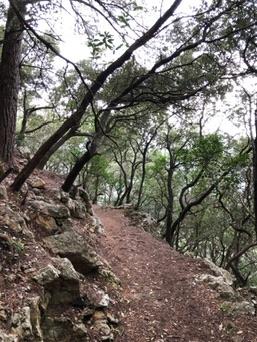
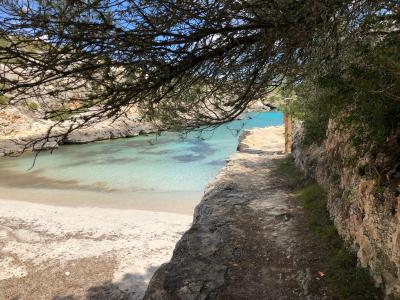
The trail conditions on the GR 221, known as the Dry Stone Route, can vary significantly throughout the year due to changes in weather and seasonal factors. During the spring months of March to May, the trails are typically in excellent condition. After the winter rains, the landscape is lush and vibrant, with wildflowers blooming along the path. Temperatures are mild, making it a perfect time for hiking, though it’s advisable to start early in the day to avoid the midday heat.
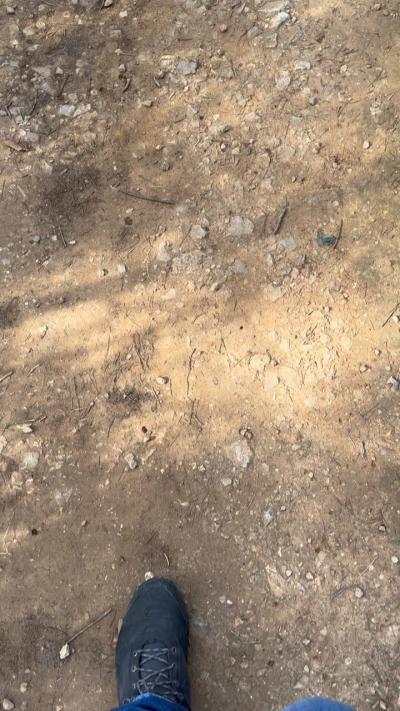
As summer approaches, from June to August, conditions can become quite challenging. The temperatures can soar, often exceeding 30 degrees Celsius (86 degrees Fahrenheit), which can make hiking strenuous and potentially dangerous, especially during the hottest parts of the day. Additionally, some sections of the trail may become dry and dusty, and water sources can dwindle. Hikers during this season should be prepared with plenty of water and start their treks early in the morning to enjoy cooler temperatures.
Autumn, from September to November, brings another favorable period for hiking on the GR 221. The weather cools down, and the trails, now less crowded, offer a serene experience. The changing leaves add a stunning backdrop to the scenery, but occasional rain can make paths slippery, so caution is advised. Finally, during winter months, from December to February, hikers may encounter colder temperatures and the possibility of snow in higher elevations. While the trails are generally quieter, winter hiking requires careful planning, appropriate gear, and an awareness of the weather forecast to ensure a safe and enjoyable journey.
As summer approaches, from June to August, conditions can become quite challenging. The temperatures can soar, often exceeding 30 degrees Celsius (86 degrees Fahrenheit), which can make hiking strenuous and potentially dangerous, especially during the hottest parts of the day. Additionally, some sections of the trail may become dry and dusty, and water sources can dwindle. Hikers during this season should be prepared with plenty of water and start their treks early in the morning to enjoy cooler temperatures.
Autumn, from September to November, brings another favorable period for hiking on the GR 221. The weather cools down, and the trails, now less crowded, offer a serene experience. The changing leaves add a stunning backdrop to the scenery, but occasional rain can make paths slippery, so caution is advised. Finally, during winter months, from December to February, hikers may encounter colder temperatures and the possibility of snow in higher elevations. While the trails are generally quieter, winter hiking requires careful planning, appropriate gear, and an awareness of the weather forecast to ensure a safe and enjoyable journey.

Galilea
More Fotos