How have ancient olive trees shaped the landscape and architecture around Mallorca?
Similar Topics
ancient olive trees
tramuntana mountains
olive oil production
stone farmhouses
traditional villages
ma-10 road
pa amb oli
local culture
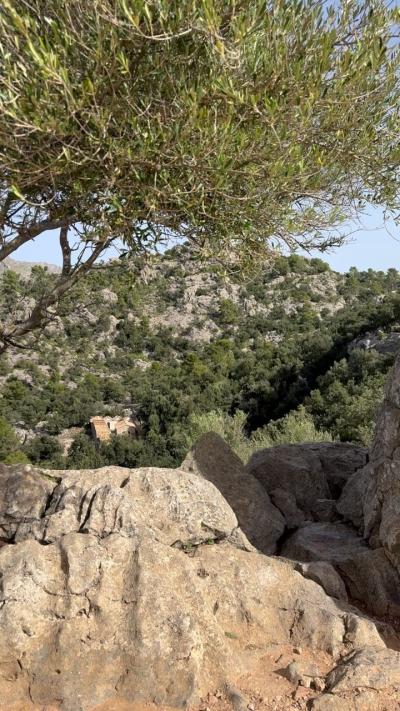
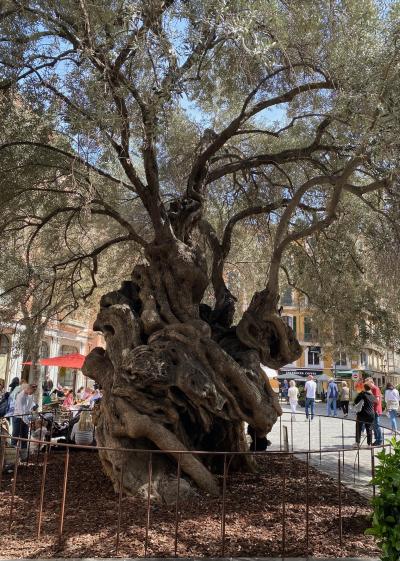
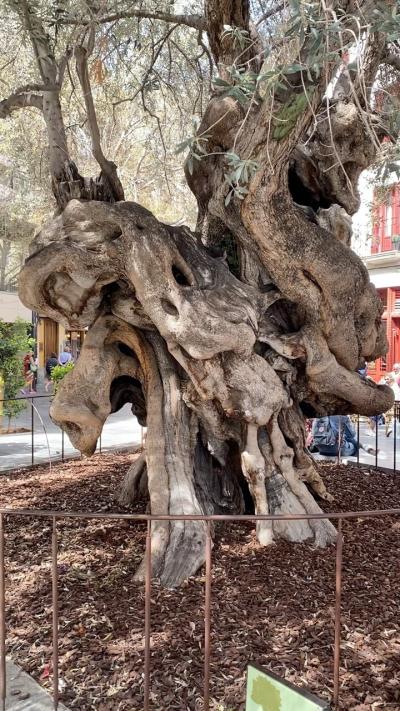
On the island, some olive trees have stood for centuries, their twisted trunks creating a distinctive silhouette against the Tramuntana mountains. These venerable trees are often found dotted across terraces on dry stone walls along the Ma-10 road, shaping not only the land but the traditional rural aesthetic. Their silvery leaves shimmer in the sunlight, contributing to the iconic Mediterranean scenery around towns like Sóller and Valldemossa.
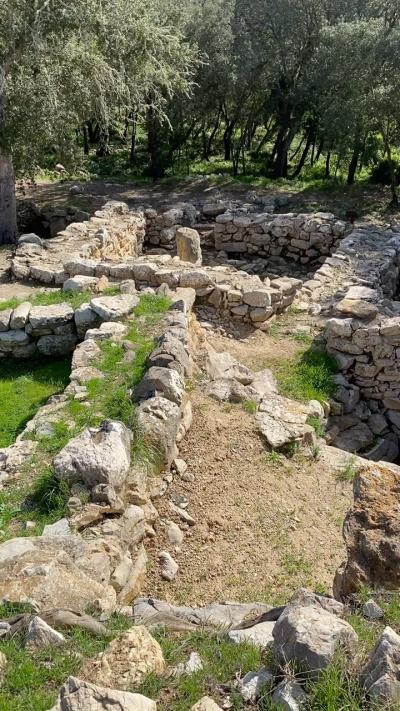
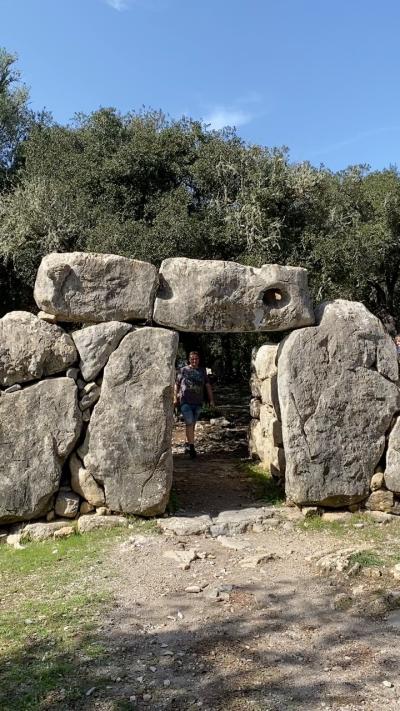
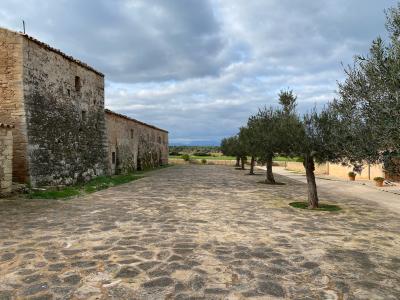
The architectural style in many villages was influenced by the presence of olive groves, with farmhouses and country estates built from local stone that echoes the gnarled, natural texture of the olive trees themselves. Ancient olive presses still stand in some estates near Manacor or Pollensa, highlighting the historic significance of olive oil production to local livelihoods. Gardens and courtyards frequently feature olives as focal points, offering shade and a sense of continuity that blends indoor and outdoor living.
Walking through these landscapes, the intertwining of land and culture is palpable. The trees tell stories of generations past, surviving harsh summers and bringing a timeless quality to the bustling markets of Palma or the serene coves near Cala Llombards. Their influence is also tasted, as fresh pa amb oli made with local olive oil, sometimes paired with sobrassada, brings a true sense of place to the table. Ancient olives have become a living link between Mallorca’s natural beauty and the built environment, embodying resilience and tradition.
The architectural style in many villages was influenced by the presence of olive groves, with farmhouses and country estates built from local stone that echoes the gnarled, natural texture of the olive trees themselves. Ancient olive presses still stand in some estates near Manacor or Pollensa, highlighting the historic significance of olive oil production to local livelihoods. Gardens and courtyards frequently feature olives as focal points, offering shade and a sense of continuity that blends indoor and outdoor living.
Walking through these landscapes, the intertwining of land and culture is palpable. The trees tell stories of generations past, surviving harsh summers and bringing a timeless quality to the bustling markets of Palma or the serene coves near Cala Llombards. Their influence is also tasted, as fresh pa amb oli made with local olive oil, sometimes paired with sobrassada, brings a true sense of place to the table. Ancient olives have become a living link between Mallorca’s natural beauty and the built environment, embodying resilience and tradition.
Santanyí
More Fotos