What conservation work do Palma Aquarium and other local parks undertake on the island?
Similar Topics
palma aquarium
balearic conservation
marine species breeding
tramuntana wildlife
species reintroduction
environmental education
mediterranean ecology
wildlife research
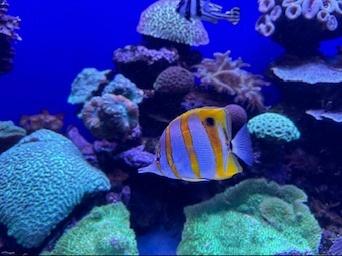
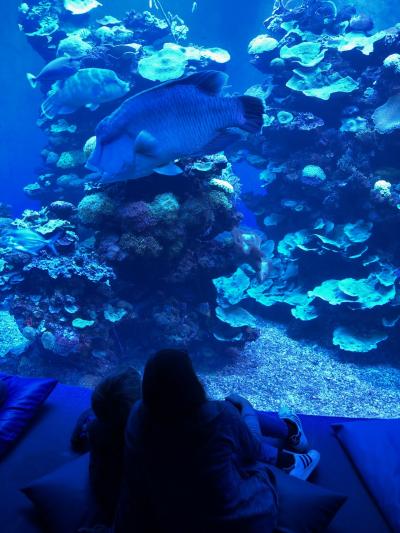
Visiting the Palma Aquarium or one of the smaller wildlife centres around the island, you’ll find that conservation here is tackled through a blend of breeding programs, education, and scientific research. The Palma Aquarium, for example, is deeply involved in efforts to protect Mediterranean marine species, with projects aimed at breeding endangered fish and raising public awareness about the fragile balance of the sea ecosystems surrounding the Balearic Islands. Their focus often lies on species threatened by pollution and overfishing, striving to maintain genetic diversity and promote healthier marine populations.
Beyond the aquarium, initiatives on the island’s more natural terrains, like the Parc Natural de Mondragó near Cala Mondragó or reserves in the Tramuntana, support native fauna and flora through habitat restoration and monitoring. Some centres collaborate on reintroduction efforts, helping species that have disappeared locally to repopulate wild areas in cooperation with local authorities and researchers. Educational programs complement this work, often showcased during seasonal festivals or at visitor centres, encouraging locals and tourists alike to appreciate and protect the island’s natural wealth.
Research conducted by these organisations contributes to a better understanding of species behaviours and environmental needs, directly influencing conservation strategies both here and in wider Mediterranean contexts. Through outreach and hands-on conservation, the island’s zoos and aquariums provide a vital bridge between scientific effort and community involvement, inspiring a connection to nature that goes beyond simply observing animals behind glass.
Beyond the aquarium, initiatives on the island’s more natural terrains, like the Parc Natural de Mondragó near Cala Mondragó or reserves in the Tramuntana, support native fauna and flora through habitat restoration and monitoring. Some centres collaborate on reintroduction efforts, helping species that have disappeared locally to repopulate wild areas in cooperation with local authorities and researchers. Educational programs complement this work, often showcased during seasonal festivals or at visitor centres, encouraging locals and tourists alike to appreciate and protect the island’s natural wealth.
Research conducted by these organisations contributes to a better understanding of species behaviours and environmental needs, directly influencing conservation strategies both here and in wider Mediterranean contexts. Through outreach and hands-on conservation, the island’s zoos and aquariums provide a vital bridge between scientific effort and community involvement, inspiring a connection to nature that goes beyond simply observing animals behind glass.
Es Pil·larí
More Fotos
Related Questions
Related Question
What’s the best way to soak up the local culture while exploring Mallorca on foot?
Related Question
What kind of entertainment can I expect at the Skybar in Hotel Tropical?
Related Question
What are some quiet hiking routes on Mallorca that reveal breathtaking views without too many tourists?