What role did trade routes play in Mallorca's development during different historical periods?
Similar Topics
Mallorca history
trade routes Mallorca
Phoenician trade
Roman Empire Mallorca
Moorish influence Mallorca
agricultural development Mallorca
cultural identity Mallorca
Palma urban development
Mediterranean trade
historical trading routes
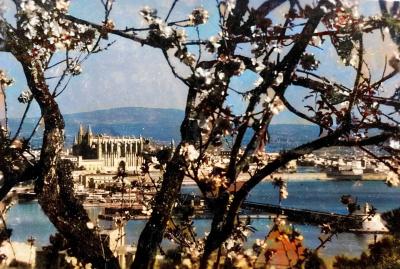
Trade routes have played an essential role in shaping Mallorca's development throughout its rich history. During ancient times, the island became a strategic point in the Mediterranean, attracting various civilizations. The Phoenicians were among the first to establish trade networks in the region, utilizing Mallorca's natural harbors to facilitate commerce. This early maritime activity not only brought wealth but also cultural exchanges, as goods such as wine, olive oil, and textiles were traded. As a result, the island began to develop a unique cultural identity influenced by its trading partners.
With the rise of the Roman Empire, Mallorca's significance as a trading hub grew even further. The Romans recognized the island's potential for agriculture and established large estates that produced goods for export. Their infrastructure improvements, including roads and ports, further enhanced trade efficiency. After the fall of the Roman Empire, Mallorca experienced a period of decline until the arrival of the Moors in the 8th century. The Moors revitalized the island, introducing advanced agricultural techniques and trade practices that transformed Mallorca into a flourishing center for commerce and culture once again. This period saw the establishment of new trade routes that connected Mallorca not only with the Iberian Peninsula but also with North Africa and beyond.
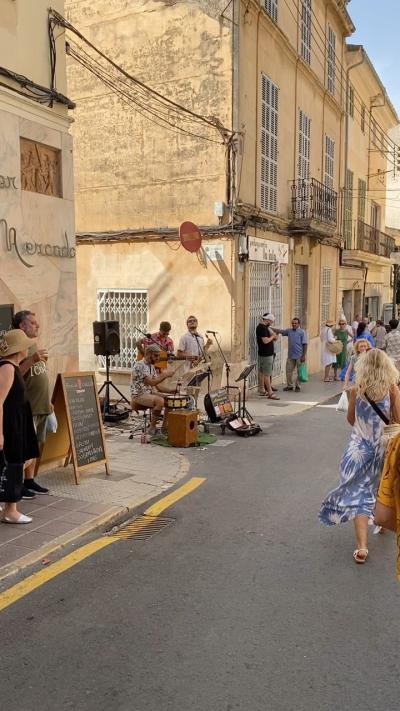
As the centuries progressed, Mallorca continued to thrive due to its strategic location. During the late Middle Ages and into the Renaissance, the island became part of a robust trading network that included major European powers. The flourishing trade in goods such as textiles, ceramics, and agricultural products contributed to economic prosperity and urban development, particularly in the capital, Palma. The influence of trade is evident in the architecture and cultural practices that can still be explored today, with remnants of those historical trading routes visible in the charming streets and vibrant markets. Overall, the evolution of trade routes has been a driving force in Mallorca's development, creating a legacy that continues to attract visitors to its shores.
With the rise of the Roman Empire, Mallorca's significance as a trading hub grew even further. The Romans recognized the island's potential for agriculture and established large estates that produced goods for export. Their infrastructure improvements, including roads and ports, further enhanced trade efficiency. After the fall of the Roman Empire, Mallorca experienced a period of decline until the arrival of the Moors in the 8th century. The Moors revitalized the island, introducing advanced agricultural techniques and trade practices that transformed Mallorca into a flourishing center for commerce and culture once again. This period saw the establishment of new trade routes that connected Mallorca not only with the Iberian Peninsula but also with North Africa and beyond.
As the centuries progressed, Mallorca continued to thrive due to its strategic location. During the late Middle Ages and into the Renaissance, the island became part of a robust trading network that included major European powers. The flourishing trade in goods such as textiles, ceramics, and agricultural products contributed to economic prosperity and urban development, particularly in the capital, Palma. The influence of trade is evident in the architecture and cultural practices that can still be explored today, with remnants of those historical trading routes visible in the charming streets and vibrant markets. Overall, the evolution of trade routes has been a driving force in Mallorca's development, creating a legacy that continues to attract visitors to its shores.

More Fotos