What local efforts exist to protect wildlife and natural habitats on the island?
Similar Topics
wildlife conservation
habitat restoration
protected areas
mondragó park
tramuntana
native plants
rehabilitation centres
environmental education
Protecting the island’s unique wildlife and landscapes is a priority for many local groups and authorities. The Parc Natural de Mondragó near Santanyí is a prime example of a carefully managed reserve, where habitat restoration focuses on preserving coastal dunes, wetlands, and native flora that support diverse birdlife and marine species. Along the Serra de Tramuntana, conservation projects aim to maintain the delicate balance between traditional agriculture and natural ecosystems, benefiting species such as the endemic Balearic lizard.
Community-led initiatives are common, especially around towns like Pollenca and Valldemossa, where educational programs encourage both locals and visitors to respect the environment. These often include guided walks, workshops about native plants like the rosemary and esparto grass, and efforts to control invasive species that threaten the island’s biodiversity. The collaboration between the local government and environmental groups ensures that protection measures align with sustainable tourism practices along well-known routes like the Ma-10.
Rehabilitation centres in Palma and Manacor also play a vital role by caring for injured wildlife such as owls, birds of prey, and tortoises, with the goal of releasing them back into Cala Llombards or other suitable wild habitats. These centres frequently open their doors for educational visits to raise awareness about the pressures that wildlife faces from development and human activity. Participating in these programs or simply respecting marked trails while exploring coves like Es Trenc contributes directly to conserving the island’s natural heritage.
Community-led initiatives are common, especially around towns like Pollenca and Valldemossa, where educational programs encourage both locals and visitors to respect the environment. These often include guided walks, workshops about native plants like the rosemary and esparto grass, and efforts to control invasive species that threaten the island’s biodiversity. The collaboration between the local government and environmental groups ensures that protection measures align with sustainable tourism practices along well-known routes like the Ma-10.
Rehabilitation centres in Palma and Manacor also play a vital role by caring for injured wildlife such as owls, birds of prey, and tortoises, with the goal of releasing them back into Cala Llombards or other suitable wild habitats. These centres frequently open their doors for educational visits to raise awareness about the pressures that wildlife faces from development and human activity. Participating in these programs or simply respecting marked trails while exploring coves like Es Trenc contributes directly to conserving the island’s natural heritage.
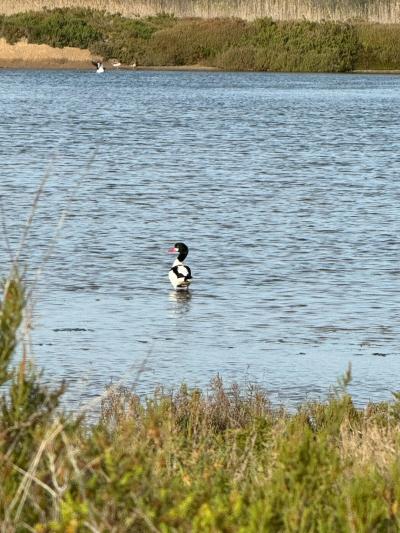
ses Covetes
More Fotos