How has Mallorca's history influenced its architecture and design?
Similar Topics
Mallorca history
Mallorca architecture
Balearic Islands culture
Gothic architecture
Moorish influences
La Seu Cathedral
traditional fincas
sustainable design
Palma streets
rustic farmhouses
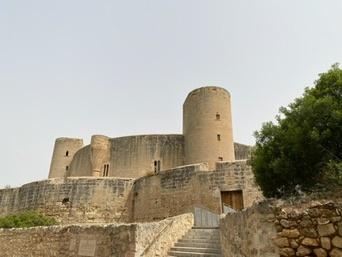
Mallorca's history is a rich tapestry that has profoundly influenced its architecture and design, reflecting the island's diverse cultural heritage. The Balearic Islands have seen a variety of civilizations, from the ancient Talaiotic culture to the Romans and Moors, each leaving its mark on the landscape. The Roman influence is evident in the remnants of their structures, such as aqueducts and villas, which showcase their engineering prowess. Following the Roman period, the Moorish occupation from the 8th to the 13th century introduced intricate tile work, elaborate arches, and lush gardens that transformed the architectural style. This era also emphasized the importance of water and light, elements that continue to be celebrated in contemporary Mallorcan design.
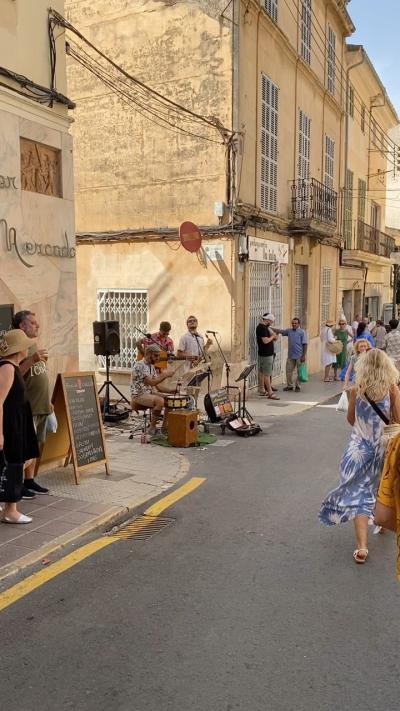
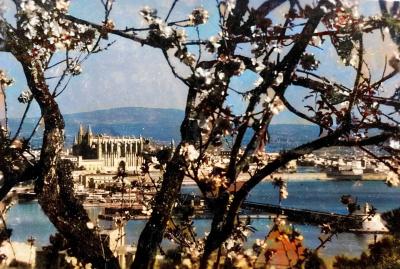
As you wander through the streets of Palma, the island's capital, you’ll encounter a blend of Gothic, Renaissance, and Baroque architecture. The magnificent La Seu Cathedral stands as a testament to this historical evolution, featuring stunning Gothic elements alongside Moorish influences in its intricate details. The historic quarter of Palma, with its narrow winding streets, showcases traditional stone houses adorned with wooden shutters and wrought-iron balconies, all of which reflect the island's agricultural past and connection to the sea.
In addition to religious and civic buildings, the influence of the island's history can be seen in the rural architecture of traditional fincas and rustic farmhouses scattered throughout the countryside. Many of these structures have been preserved or restored, featuring local materials like sandstone and limestone that blend harmoniously with the natural landscape. The resurgence of interest in sustainable design has also led to a revival of traditional techniques, marrying historical influences with modern sensibilities and creating spaces that are both timeless and functional. This harmonious coexistence of past and present in Mallorca's architecture offers visitors a unique glimpse into the island's storied history while providing a warm and inviting atmosphere to explore.
As you wander through the streets of Palma, the island's capital, you’ll encounter a blend of Gothic, Renaissance, and Baroque architecture. The magnificent La Seu Cathedral stands as a testament to this historical evolution, featuring stunning Gothic elements alongside Moorish influences in its intricate details. The historic quarter of Palma, with its narrow winding streets, showcases traditional stone houses adorned with wooden shutters and wrought-iron balconies, all of which reflect the island's agricultural past and connection to the sea.
In addition to religious and civic buildings, the influence of the island's history can be seen in the rural architecture of traditional fincas and rustic farmhouses scattered throughout the countryside. Many of these structures have been preserved or restored, featuring local materials like sandstone and limestone that blend harmoniously with the natural landscape. The resurgence of interest in sustainable design has also led to a revival of traditional techniques, marrying historical influences with modern sensibilities and creating spaces that are both timeless and functional. This harmonious coexistence of past and present in Mallorca's architecture offers visitors a unique glimpse into the island's storied history while providing a warm and inviting atmosphere to explore.

More Fotos