Are there traditional villages on the island where I can experience authentic local culture?
Similar Topics
traditional villages
local culture
valldemossa
alcúdia market
tramuntana
sobrassada
festa de l'ametler
binissalem wine
Exploring the Tramuntana mountain villages or the towns along the northern coast offers two distinct ways to soak up local life. The hilly, terraced landscapes around Valldemossa and Deià give a more intimate glimpse into Mallorca’s artistic and historical heritage, with cobbled streets lined by stone houses and cafés serving classic pa amb oli. Here, life moves at a relaxed pace, and you can enjoy traditional music or visit artisan shops selling handmade crafts during quieter off-season months.
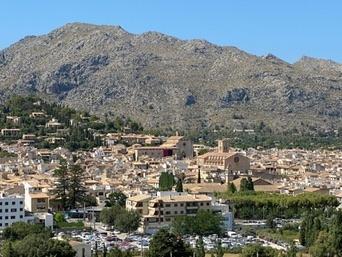
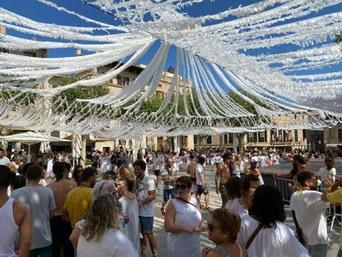
On the other hand, Alcúdia and Pollença on the northeast coast combine charming medieval centres with vibrant weekly markets where locals still gather to sell fresh produce, local sobrassada, and Ensaimada pastries. These towns come alive especially during annual festivals like the Festa de l’Ametler in Pollença, celebrating the blossoming almond trees with folk dances and local delicacies.
Further south, the village of Santanyí is renowned for its genuine atmosphere, with lively artist galleries and bustling plazas shaded by palm trees. Traditional cuisine here is easy to find; dishes such as tumbet—an island vegetable bake—paired with a glass of Binissalem wine or a shot of Hierbas, the aromatic herbal liqueur, complete the experience. Public transport like the TIB buses connect these towns, making it easy to explore without a car, while scenic routes like the Ma-10 between Sóller and Valldemossa offer stunning views en route.
Whether wandering narrow streets of mountain hamlets or joining a colourful festival in coastal towns, these villages provide an enriching way to connect with the island’s enduring customs and warm community spirit.
On the other hand, Alcúdia and Pollença on the northeast coast combine charming medieval centres with vibrant weekly markets where locals still gather to sell fresh produce, local sobrassada, and Ensaimada pastries. These towns come alive especially during annual festivals like the Festa de l’Ametler in Pollença, celebrating the blossoming almond trees with folk dances and local delicacies.
Further south, the village of Santanyí is renowned for its genuine atmosphere, with lively artist galleries and bustling plazas shaded by palm trees. Traditional cuisine here is easy to find; dishes such as tumbet—an island vegetable bake—paired with a glass of Binissalem wine or a shot of Hierbas, the aromatic herbal liqueur, complete the experience. Public transport like the TIB buses connect these towns, making it easy to explore without a car, while scenic routes like the Ma-10 between Sóller and Valldemossa offer stunning views en route.
Whether wandering narrow streets of mountain hamlets or joining a colourful festival in coastal towns, these villages provide an enriching way to connect with the island’s enduring customs and warm community spirit.

Cala Figuera
More Fotos



Related Questions
Related Question
What are the most common mistakes travelers make regarding frequent flyer miles when going to Mallorca?
Related Question
When is the best time to visit Mallorca’s southeast coast for pleasant weather and fewer crowds?
Related Question
How far do I need to travel from Felanitx to find a panoramic lookout?