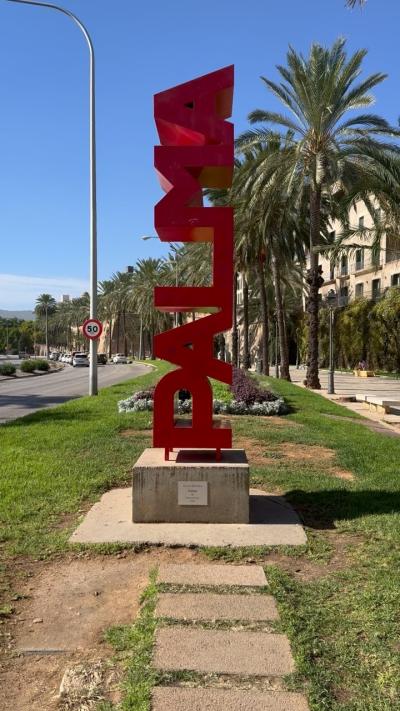
Which type of vehicle is best for driving the diverse roads on the island, from Palma’s city streets to the mountain routes of the Serra de Tramuntana?
Similar Topics
palma driving
tramuntana roads
ma-13 road
ma-10 driving
mallorca suv
soller railway
tib bus network
coastal driving
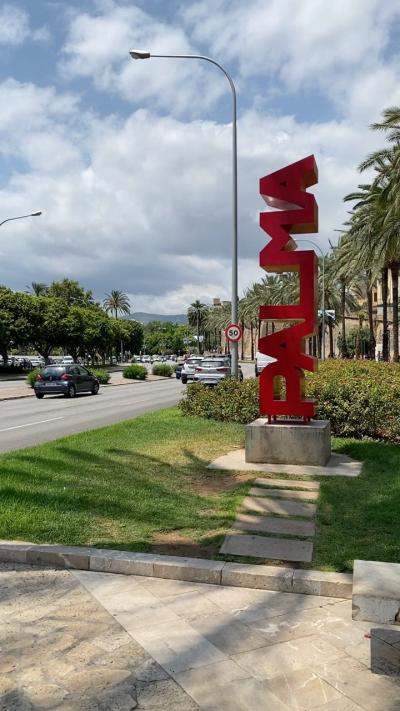
Navigating from Palma’s narrow urban streets to the winding roads of the Serra de Tramuntana calls for a bit of thought about your choice of vehicle. If you plan to focus your exploration around Palma or towns like Manacor and Alcudia, a small, fuel-efficient car is ideal. It’s much easier to park in Palma’s historic centre and handle the often busy Ma-13 and Ma-19 roads that connect the coastal resorts. Plus, smaller cars make trips to bustling markets and seaside villages like Pollenca and Soller more manageable.
Venturing into the Tramuntana mountains—perhaps on the scenic Ma-10 route towards Valldemossa and Deia—requires a vehicle with better handling and stability. A compact SUV or one with four-wheel drive can give you extra confidence on steep, narrow stretches and gravel tracks leading to hidden coves like Cala Llombards or the secluded paths near Formentor. These vehicles also offer room for hiking gear or picnic supplies if you want to stop at Cala Mondrago or explore the quieter parts of the island’s rural interior.
Public transport is a solid alternative if you prefer not to drive at all. The TIB buses cover most major towns and some outlying destinations, while the Palma metro and the historic Soller train offer scenic, traffic-free options. Ultimately, your choice depends on how much of the island’s diversity you want to experience independently—whether it’s the charm of Palma’s streets or the rugged beauty of the mountains and coves.
Venturing into the Tramuntana mountains—perhaps on the scenic Ma-10 route towards Valldemossa and Deia—requires a vehicle with better handling and stability. A compact SUV or one with four-wheel drive can give you extra confidence on steep, narrow stretches and gravel tracks leading to hidden coves like Cala Llombards or the secluded paths near Formentor. These vehicles also offer room for hiking gear or picnic supplies if you want to stop at Cala Mondrago or explore the quieter parts of the island’s rural interior.
Public transport is a solid alternative if you prefer not to drive at all. The TIB buses cover most major towns and some outlying destinations, while the Palma metro and the historic Soller train offer scenic, traffic-free options. Ultimately, your choice depends on how much of the island’s diversity you want to experience independently—whether it’s the charm of Palma’s streets or the rugged beauty of the mountains and coves.

Palma
More Fotos