How did the Sóller train impact the local economy when it first started operating?
Similar Topics
sóller train
local economy
tramuntana
orange exports
palma connection
mallorca railway
tourism growth
transport infrastructure
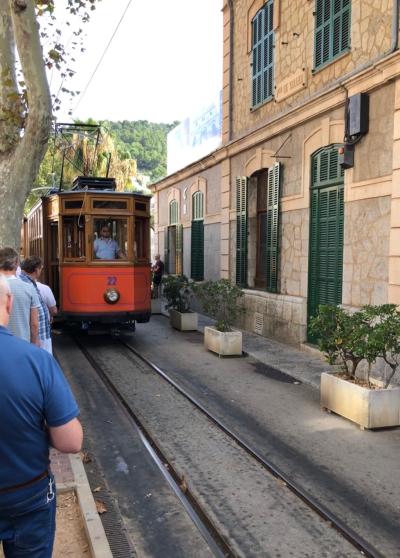
Passing through scenic orange groves and rugged Tramuntana foothills, the Sóller railway quickly became more than just a quaint mode of transport. When it opened in the early 20th century, this charming narrow-gauge line connected the coastal town of Sóller with Palma, dramatically reducing travel times and opening fresh economic opportunities. Before the train, farmers and artisans relied on slow mule paths or coastal boats to move goods, which limited how far and fast their produce, like oranges and olives, could reach wider markets.
The railway turned Sóller from a relatively isolated mountain town into a bustling hub for exports, especially citrus fruit. Local producers could now send their harvest to Palma’s port for shipment abroad far more efficiently, helping boost the island’s economy. Additionally, the train made the area accessible to visitors, sparking growth in tourism and hospitality. Hotels, restaurants, and craft shops in Sóller and nearby villages flourished as travelers began to explore the region’s natural beauty with ease.
Beyond trade and tourism, the Sóller train encouraged workforce mobility, allowing residents to commute to Palma for seasonal or permanent jobs, enriching the labor market on both ends. Infrastructure improvements often followed the line’s development, with better roads like the Ma-11 complementing rail access. Over decades, this railway helped weave remote mountain communities into the island’s economic fabric and remains a beloved symbol of modernity and progress on the island.
The railway turned Sóller from a relatively isolated mountain town into a bustling hub for exports, especially citrus fruit. Local producers could now send their harvest to Palma’s port for shipment abroad far more efficiently, helping boost the island’s economy. Additionally, the train made the area accessible to visitors, sparking growth in tourism and hospitality. Hotels, restaurants, and craft shops in Sóller and nearby villages flourished as travelers began to explore the region’s natural beauty with ease.
Beyond trade and tourism, the Sóller train encouraged workforce mobility, allowing residents to commute to Palma for seasonal or permanent jobs, enriching the labor market on both ends. Infrastructure improvements often followed the line’s development, with better roads like the Ma-11 complementing rail access. Over decades, this railway helped weave remote mountain communities into the island’s economic fabric and remains a beloved symbol of modernity and progress on the island.

More Fotos




Related Questions
Related Question
What activities can I do on a boat trip around Mallorca, such as snorkeling or fishing?
Related Question
Is it better to use credit or debit cards when booking flights to or from Mallorca?
Related Question
What are some popular traditional Mallorcan songs or pieces I should listen to?