How do the flavors of Mallorcan food differ from other Spanish cuisines?
Similar Topics
Mallorcan cuisine
Spanish food
Mediterranean diet
sobrasada
ensaimada
fresh seafood
local ingredients
traditional recipes
flavors of Mallorca
tumbet
Mallorcan cuisine is a delightful blend of flavors that sets it apart from other Spanish cuisines, largely influenced by the island's unique geography and history. While many Spanish regions boast their own distinct flavors, Mallorca’s food is characterized by its emphasis on fresh, local ingredients, particularly seafood, vegetables, and herbs. The island's Mediterranean climate allows for a rich variety of produce, and you’ll often find dishes enhanced with aromatic herbs like rosemary and thyme, which are staples in Mallorcan cooking. The use of olive oil is prominent, but what makes Mallorcan dishes special are the traditional techniques and family recipes that have been passed down through generations.
One of the most iconic dishes is "sobrasada," a cured sausage made from pork and paprika, which offers a sweet and spicy flavor that is quite different from the chorizo commonly found in other parts of Spain. Additionally, "ensaimada," a spiral-shaped pastry, is a beloved sweet treat that showcases the island’s culinary heritage. The incorporation of local ingredients like almonds and the use of seasonal fruits in desserts highlight the island's agricultural bounty, creating a unique sweetness that is distinct from the richer, creamier desserts of other Spanish regions.
Moreover, the seafood in Mallorca is exceptionally fresh, thanks to its surrounding waters, and dishes like "tumbet," a vegetable and tomato casserole, reflect the island's agricultural roots while providing a lighter alternative to meat-heavy Spanish fare. The emphasis on simplicity and quality ingredients means that flavors are often allowed to shine through without excessive seasoning. In contrast to the heartier and often more robust flavors found in regions like Andalusia or the Basque Country, Mallorcan food offers a more subtle, nuanced experience that embodies the island's tranquil spirit, making it a unique and flavorful journey for any visitor.
One of the most iconic dishes is "sobrasada," a cured sausage made from pork and paprika, which offers a sweet and spicy flavor that is quite different from the chorizo commonly found in other parts of Spain. Additionally, "ensaimada," a spiral-shaped pastry, is a beloved sweet treat that showcases the island’s culinary heritage. The incorporation of local ingredients like almonds and the use of seasonal fruits in desserts highlight the island's agricultural bounty, creating a unique sweetness that is distinct from the richer, creamier desserts of other Spanish regions.
Moreover, the seafood in Mallorca is exceptionally fresh, thanks to its surrounding waters, and dishes like "tumbet," a vegetable and tomato casserole, reflect the island's agricultural roots while providing a lighter alternative to meat-heavy Spanish fare. The emphasis on simplicity and quality ingredients means that flavors are often allowed to shine through without excessive seasoning. In contrast to the heartier and often more robust flavors found in regions like Andalusia or the Basque Country, Mallorcan food offers a more subtle, nuanced experience that embodies the island's tranquil spirit, making it a unique and flavorful journey for any visitor.
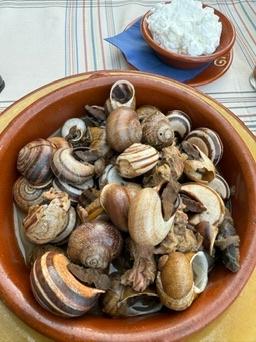
s'Horta
More Fotos