What are the key features of Talaiot structures that set them apart from other ancient sites?
Similar Topics
Talaiot structures
ancient Talaiotic culture
Mallorca
Menorca
prehistoric civilization
ancient architecture
stone towers
cultural significance
historical sites
travel history
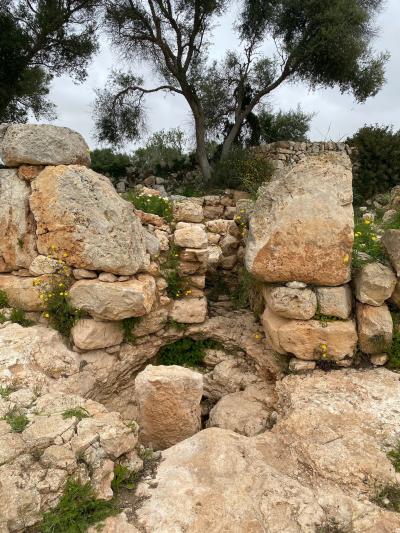
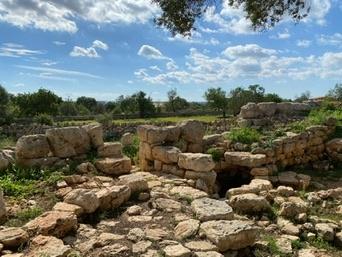
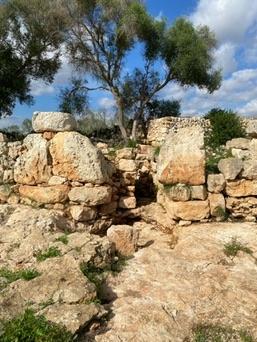
Talaiot structures, primarily found on the Balearic Islands, particularly Mallorca and Menorca, are distinctive remnants of ancient Talaiotic culture that flourished between 1400 and 200 BCE. What sets these structures apart from other ancient sites is their unique architectural style and the materials used in their construction. Typically made of large, uncut stones, these edifices exhibit a robust, monumental quality that reflects the social and cultural significance of the communities that built them. The most notable Talaiot structures are the talaiots themselves, which are large stone towers that often served as watchtowers or religious sites. These towers can reach impressive heights and are usually circular or oval in shape, showcasing a level of sophistication in their design.
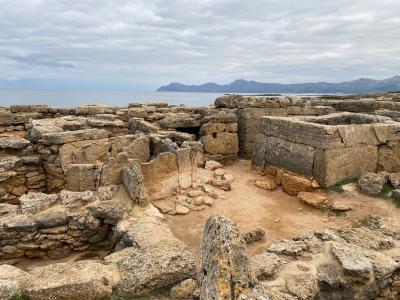
Another key feature of Talaiot structures is their layout and relationship with the surrounding landscape. Many sites include a central courtyard surrounded by various buildings, including storage facilities and living quarters, suggesting a well-organized community. The positioning of these structures often takes advantage of natural topography, allowing for strategic visibility and defense. Moreover, some Talaiots are associated with burial sites and other ceremonial elements, indicating their multifaceted roles in the society that constructed them. This blend of practical and ritualistic purposes provides insight into the social dynamics and spiritual beliefs of the Talaiotic culture, making these sites not only architecturally remarkable but also rich in historical significance.
In contrast to other ancient sites, such as the more widely known Greek and Roman ruins, Talaiot structures offer a glimpse into a lesser-known prehistoric civilization. Their relative obscurity adds to their allure, inviting visitors to explore and appreciate the ancient past in a tranquil setting. The surrounding landscapes, often dotted with olive trees and rugged hills, enhance the experience, allowing travelers to connect with history in a serene and picturesque environment. Whether you are an avid historian or simply a curious traveler, the Talaiot structures provide a fascinating insight into the ingenuity and resilience of an ancient people who once thrived in these beautiful islands.
Another key feature of Talaiot structures is their layout and relationship with the surrounding landscape. Many sites include a central courtyard surrounded by various buildings, including storage facilities and living quarters, suggesting a well-organized community. The positioning of these structures often takes advantage of natural topography, allowing for strategic visibility and defense. Moreover, some Talaiots are associated with burial sites and other ceremonial elements, indicating their multifaceted roles in the society that constructed them. This blend of practical and ritualistic purposes provides insight into the social dynamics and spiritual beliefs of the Talaiotic culture, making these sites not only architecturally remarkable but also rich in historical significance.
In contrast to other ancient sites, such as the more widely known Greek and Roman ruins, Talaiot structures offer a glimpse into a lesser-known prehistoric civilization. Their relative obscurity adds to their allure, inviting visitors to explore and appreciate the ancient past in a tranquil setting. The surrounding landscapes, often dotted with olive trees and rugged hills, enhance the experience, allowing travelers to connect with history in a serene and picturesque environment. Whether you are an avid historian or simply a curious traveler, the Talaiot structures provide a fascinating insight into the ingenuity and resilience of an ancient people who once thrived in these beautiful islands.
Santanyí
More Fotos