What should I keep in mind for a safe and responsible hike around the Serra de Tramuntana?
Similar Topics
serra de tramuntana
hiking safety
ma-10 route
leave no trace
hiking hydration
valldemossa trails
sturdy footwear
wildlife respect
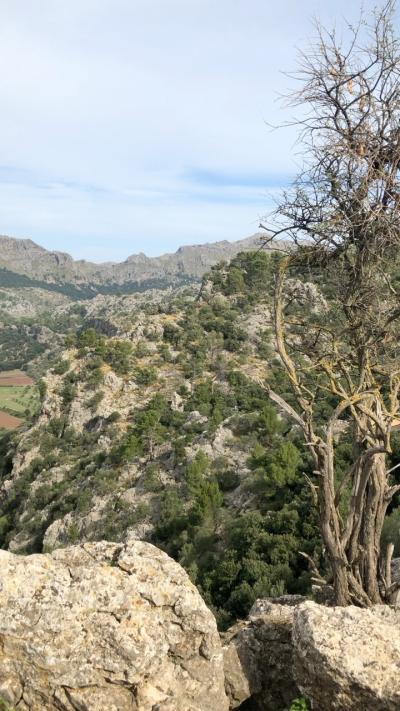
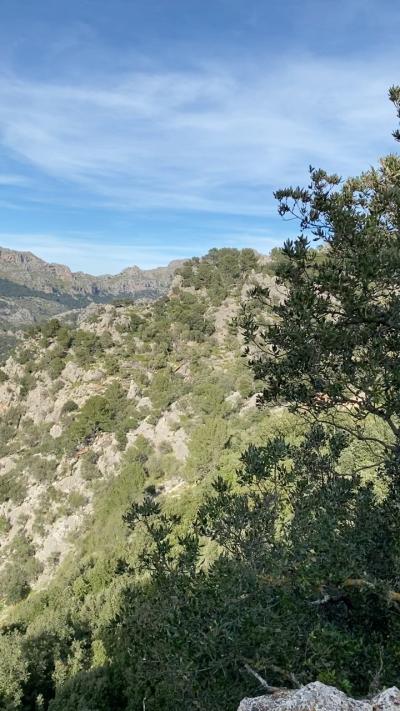
The Serra de Tramuntana mountain range demands respect and proper preparation for anyone planning to explore its trails. Its microclimate can shift quickly, so checking the forecast before setting out is essential—spring mornings might be cool, but the sun intensifies by afternoon. Layered clothing and sturdy footwear, like hiking boots with good grip, will help you manage the rocky, sometimes steep terrain found near towns like Valldemossa or Deia. Even though some paths are well marked, carrying a detailed map or GPS is recommended since mobile coverage can be unreliable in remote parts of the Ma-10 route.
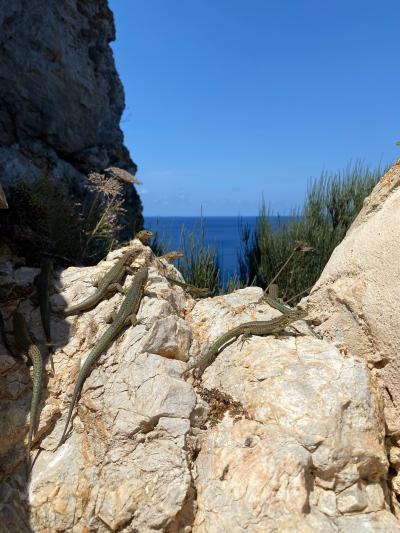
Hydration is crucial, especially on longer treks heading towards the Puig Major area or coastal overlooks near Formentor. Bring enough water and take snacks such as ensaimadas or local almond treats for energy. Inform someone of your planned route and expected return, particularly if wandering off-trail or starting early. Observing wildlife from a distance is a must—never feed animals or disturb nesting birds along the way. Following the island’s Leave No Trace philosophy means sticking to marked trails, disposing of waste properly, and respecting private finca lands. These simple steps ensure the natural beauty of this UNESCO-listed landscape remains intact for future visitors and locals alike.
Hydration is crucial, especially on longer treks heading towards the Puig Major area or coastal overlooks near Formentor. Bring enough water and take snacks such as ensaimadas or local almond treats for energy. Inform someone of your planned route and expected return, particularly if wandering off-trail or starting early. Observing wildlife from a distance is a must—never feed animals or disturb nesting birds along the way. Following the island’s Leave No Trace philosophy means sticking to marked trails, disposing of waste properly, and respecting private finca lands. These simple steps ensure the natural beauty of this UNESCO-listed landscape remains intact for future visitors and locals alike.

Sa Calobra
More Fotos