What driving rules and customs should I be aware of when exploring the island by car?
Similar Topics
driving rules
local customs
serra de tramuntana
ma-13 road
parking regulations
pedestrian priority
tib buses
soller railway
Navigating the island by car means you’ll split your time between winding mountain roads in the Serra de Tramuntana and busier coastal routes near Palma or Alcudia. While the speed limits are clearly posted—generally lower in towns like Pollenca or Valldemossa, and higher on open stretches of the Ma-13 or Ma-19—it's wise to drive cautiously, especially along narrow, twisty sections. Local drivers tend to be calm but expect some assertiveness when overtaking on single-lane passes or in roundabouts around Palma.
Driving is on the right here, which makes getting around straightforward for most European visitors. Still, watch for motorbikes and cyclists, particularly near popular spots like Cala Mondrago or Formentor, where road space can be tight. Pedestrians usually have the right of way at crossings, especially in lively villages such as Soller or Deia, so remain vigilant through these scenic but sometimes congested areas. Using indicators and hand signals to communicate your intentions is customary; locals appreciate clear, respectful driving.
Parking in the old towns and near beaches can be limited, so it helps to plan ahead. Palma and Manacor have designated parking areas, while beachside spots like Es Trenc often require getting there early or using peripheral lots. Avoid parking in restricted zones to steer clear of fines; the island’s enforcement is fairly strict, particularly during festivals like Sant Sebastia or Nit de Foc when town centres fill up. When in doubt, opting for one of the TIB buses or the charming Soller railway can be a worry-free alternative to driving altogether.
Driving is on the right here, which makes getting around straightforward for most European visitors. Still, watch for motorbikes and cyclists, particularly near popular spots like Cala Mondrago or Formentor, where road space can be tight. Pedestrians usually have the right of way at crossings, especially in lively villages such as Soller or Deia, so remain vigilant through these scenic but sometimes congested areas. Using indicators and hand signals to communicate your intentions is customary; locals appreciate clear, respectful driving.
Parking in the old towns and near beaches can be limited, so it helps to plan ahead. Palma and Manacor have designated parking areas, while beachside spots like Es Trenc often require getting there early or using peripheral lots. Avoid parking in restricted zones to steer clear of fines; the island’s enforcement is fairly strict, particularly during festivals like Sant Sebastia or Nit de Foc when town centres fill up. When in doubt, opting for one of the TIB buses or the charming Soller railway can be a worry-free alternative to driving altogether.
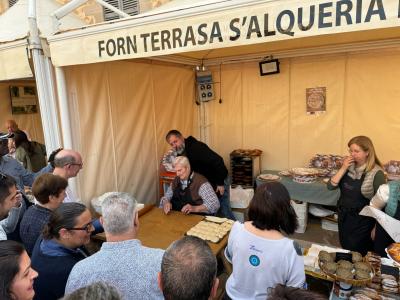
Santanyí
More Fotos





Related Questions
Related Question
Are there any guided tours that focus specifically on the geology of Mallorca?
Related Question
Are there any beach clubs on Mallorca where I can enjoy live music or evening entertainment?
Related Question
How do the beach bars in Can Picafort compare to those in other parts of Mallorca?