Are there any historic sites on the island that reveal its cultural and architectural heritage?
Similar Topics
historic sites
palma cathedral
almudaina palace
alcudia old town
pollenca history
tramuntana villages
es baluard museum
manacor museum
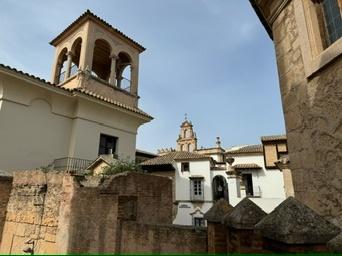
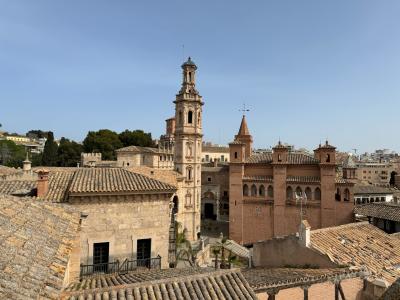
Many visitors arrive expecting Mallorca to be all about beaches, but its towns and villages hold a wealth of history that’s equally compelling. Palma’s old town is a great starting point, where the imposing La Seu Cathedral towers over winding streets lined with Gothic and Renaissance buildings. Nearby, the Almudaina Palace offers a glimpse into the island’s medieval past, once home to Moorish rulers and later Christian monarchs. Exploring these spots provides insight into the layers of history that have shaped the island’s unique identity.
Beyond the capital, towns like Alcudia and Pollenca offer remarkably well-preserved historic centres. Alcudia’s fortified walls and Roman ruins narrate stories of conflicts and ancient settlements, while Pollenca’s narrow streets and charming squares reflect centuries of architectural evolution. The mountain villages of Valldemossa and Deia combine cultural heritage with stunning Tramuntana scenery, having attracted artists and intellectuals through the ages.
The island’s museums also shed light on Mallorcan traditions and history. The Es Baluard Museum in Palma complements historic exploration with works by local artists, while the town museum in Manacor includes archaeological finds and exhibits on local crafts. For a more peaceful reflection, the memorials scattered across towns—some commemorating local figures and events—remind visitors of the social history that continues to resonate here. Taken together, these sites weave a rich narrative of the island’s past that’s both tangible and evocative.
Beyond the capital, towns like Alcudia and Pollenca offer remarkably well-preserved historic centres. Alcudia’s fortified walls and Roman ruins narrate stories of conflicts and ancient settlements, while Pollenca’s narrow streets and charming squares reflect centuries of architectural evolution. The mountain villages of Valldemossa and Deia combine cultural heritage with stunning Tramuntana scenery, having attracted artists and intellectuals through the ages.
The island’s museums also shed light on Mallorcan traditions and history. The Es Baluard Museum in Palma complements historic exploration with works by local artists, while the town museum in Manacor includes archaeological finds and exhibits on local crafts. For a more peaceful reflection, the memorials scattered across towns—some commemorating local figures and events—remind visitors of the social history that continues to resonate here. Taken together, these sites weave a rich narrative of the island’s past that’s both tangible and evocative.
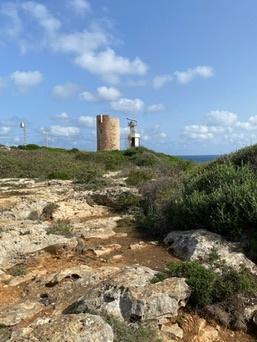
Cala Figuera
More Fotos