How is olive oil traditionally produced in Mallorca?
Similar Topics
Mallorca olive oil
traditional olive oil production
olive groves Mallorca
Arbequina olives
Picual olives
Malaxation process
olive oil tasting Mallorca
sustainable agriculture Mallorca
olive mill tours
Mallorcan culinary traditions
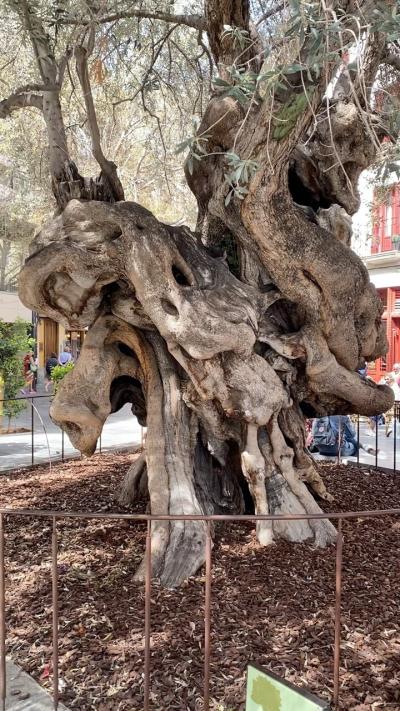
In Mallorca, the traditional production of olive oil is a time-honored process that reflects the island's rich agricultural heritage. The journey begins with the careful cultivation of olive groves, where varieties such as Arbequina, Mallorquina, and Picual thrive in the island's Mediterranean climate. Harvesting typically occurs in late autumn to early winter, when the olives reach their peak ripeness. Many families still employ traditional methods, hand-picking the olives to ensure the quality and integrity of the fruit. This labor-intensive approach not only preserves the olives but also fosters a deep connection to the land and its history.
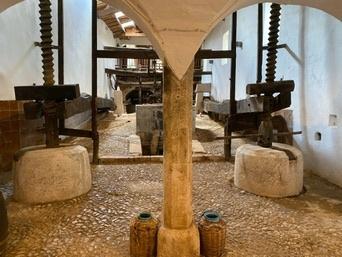
Once harvested, the olives are taken to a local mill, where they undergo a meticulous process of cleaning and processing. Traditionally, the olives are crushed using large millstones or modern mechanical crushers, releasing the precious oil. The next step involves the malaxation process, where the olive paste is mixed to encourage the oil to separate from the solid components. The mixture is then pressed, allowing the oil to flow out, often using hydraulic presses or centrifuges for efficiency. The resulting oil is typically unfiltered, retaining the rich, robust flavors and vibrant colors characteristic of Mallorcan olive oil.
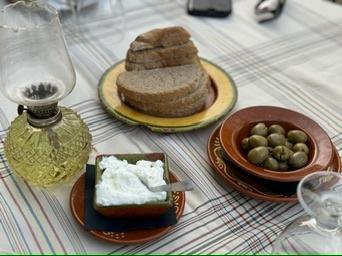
After extraction, the oil is stored in cool, dark conditions to preserve its quality. Many local producers emphasize the importance of organic practices and sustainability, reflecting a growing trend towards eco-friendly agriculture. Visitors to Mallorca can explore this culinary tradition through guided tours of olive mills, where they can learn about the production process firsthand. Tasting the freshly pressed oil, often accompanied by local bread and artisan cheeses, provides a delightful sensory experience and a deeper appreciation for the island's agricultural legacy.
Once harvested, the olives are taken to a local mill, where they undergo a meticulous process of cleaning and processing. Traditionally, the olives are crushed using large millstones or modern mechanical crushers, releasing the precious oil. The next step involves the malaxation process, where the olive paste is mixed to encourage the oil to separate from the solid components. The mixture is then pressed, allowing the oil to flow out, often using hydraulic presses or centrifuges for efficiency. The resulting oil is typically unfiltered, retaining the rich, robust flavors and vibrant colors characteristic of Mallorcan olive oil.
After extraction, the oil is stored in cool, dark conditions to preserve its quality. Many local producers emphasize the importance of organic practices and sustainability, reflecting a growing trend towards eco-friendly agriculture. Visitors to Mallorca can explore this culinary tradition through guided tours of olive mills, where they can learn about the production process firsthand. Tasting the freshly pressed oil, often accompanied by local bread and artisan cheeses, provides a delightful sensory experience and a deeper appreciation for the island's agricultural legacy.

Caimari
More Fotos