How did Joan Miró's time in Mallorca influence his art?
Similar Topics
Joan Miró
Mallorca art
Mallorca influence
artistic development
local landscape
ceramics
sculptures
artistic legacy
cultural heritage
Palma studio
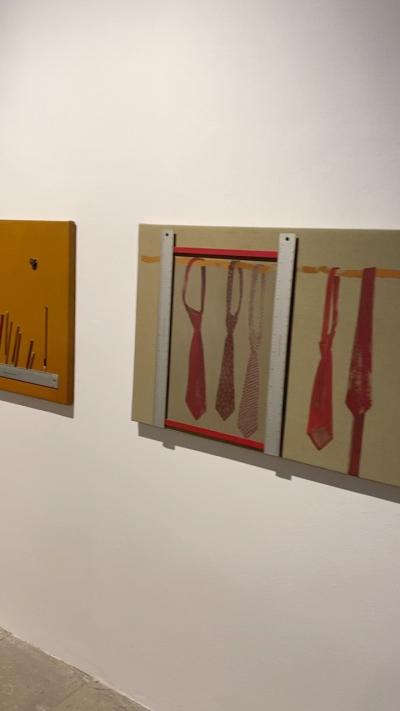
Joan Miró's time in Mallorca had a profound impact on his artistic development, deeply influencing the themes, colors, and forms that characterized his work. After moving to the island in the 1950s, Miró found inspiration in the stunning natural landscapes, vibrant light, and rich cultural heritage of Mallorca. The island's rugged coastlines, fertile countryside, and serene surroundings provided him a sense of peace and solitude that allowed his creativity to flourish. This environment encouraged a more personal and introspective style, as he began to incorporate elements of the local landscape and folklore into his pieces.
Miró's connection to Mallorca also led him to explore new materials and techniques, often using local resources in his art. He experimented with ceramics and sculptures, reflecting the island’s artisanal traditions. The bright colors and organic shapes he encountered in the local environment began to seep into his work, resulting in a distinctive palette that celebrated the vibrancy of life and nature. Additionally, the influence of local mythology and the simplicity of rural life can be seen in many of his pieces, as he sought to blend his avant-garde style with the cultural richness of his surroundings.
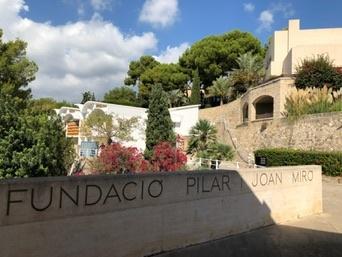
His time in Mallorca not only shaped his artistic vision but also fostered a sense of community with local artists and craftsmen. This collaboration and exchange of ideas enriched his work, allowing him to merge his unique perspective with the island's artistic legacy. For visitors today, exploring the places where Miró lived and worked, such as his studio in Palma, offers a unique glimpse into how the beauty and culture of Mallorca inspired one of the 20th century's most celebrated artists. This connection to the island remains a significant part of Miró’s legacy, inviting art lovers to appreciate the interplay between environment and creativity.
Miró's connection to Mallorca also led him to explore new materials and techniques, often using local resources in his art. He experimented with ceramics and sculptures, reflecting the island’s artisanal traditions. The bright colors and organic shapes he encountered in the local environment began to seep into his work, resulting in a distinctive palette that celebrated the vibrancy of life and nature. Additionally, the influence of local mythology and the simplicity of rural life can be seen in many of his pieces, as he sought to blend his avant-garde style with the cultural richness of his surroundings.
His time in Mallorca not only shaped his artistic vision but also fostered a sense of community with local artists and craftsmen. This collaboration and exchange of ideas enriched his work, allowing him to merge his unique perspective with the island's artistic legacy. For visitors today, exploring the places where Miró lived and worked, such as his studio in Palma, offers a unique glimpse into how the beauty and culture of Mallorca inspired one of the 20th century's most celebrated artists. This connection to the island remains a significant part of Miró’s legacy, inviting art lovers to appreciate the interplay between environment and creativity.
ses Illetes
More Fotos