Are there interactive exhibits or displays to engage visitors around the cultural sites in Mallorca?
Similar Topics
interactive exhibits
palma museums
valldemossa charterhouse
serra de tramuntana
mondragó park
sant sebastià festival
mallorca history
mallorca art
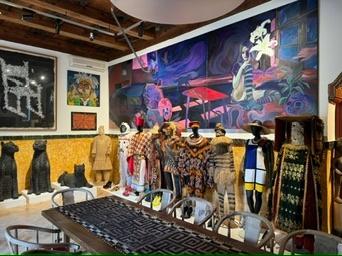
Exploring Palma’s museums and heritage sites throughout the year reveals an array of interactive experiences designed to deepen visitor engagement. The Museu Fundación Juan March in Palma often incorporates digital tools and multimedia displays that help illustrate the evolution of modern art, inviting visitors to interact with the creative process behind the works. Similarly, the Museu de Mallorca offers tactile exhibits and interactive maps that enrich understanding of the island’s rich history, from prehistoric times to the present.
Along the scenic Ma-10 road in the Serra de Tramuntana, cultural centers like the Valldemossa Charterhouse provide audio guides and interactive touchscreen exhibits that bring the stories of Chopin and George Sand vividly to life. In Manacor, the local pearl factories sometimes offer workshops and demonstrations where visitors can learn about traditional craftsmanship hands-on. For families and nature lovers, places like the Mondragó Natural Park feature educational trails with QR codes linking to information about the island’s flora and fauna, encouraging a participative discovery of Mallorca’s biodiversity.
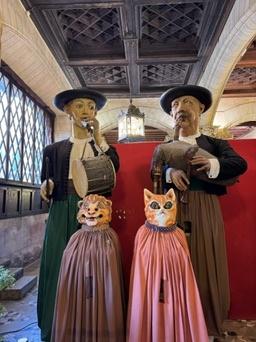
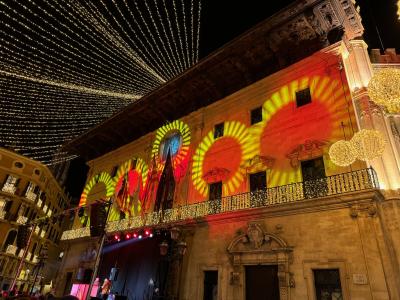
Even outside museums, festivals such as Sant Sebastià in Palma or the Festa de l’Ametler in Sóller incorporate interactive elements like folk dances, artisan markets, and cooking demonstrations that invite visitors to immerse themselves in local culture. These experiences enrich a visit, turning passive observation into active participation, whether through art, history, or nature.
Along the scenic Ma-10 road in the Serra de Tramuntana, cultural centers like the Valldemossa Charterhouse provide audio guides and interactive touchscreen exhibits that bring the stories of Chopin and George Sand vividly to life. In Manacor, the local pearl factories sometimes offer workshops and demonstrations where visitors can learn about traditional craftsmanship hands-on. For families and nature lovers, places like the Mondragó Natural Park feature educational trails with QR codes linking to information about the island’s flora and fauna, encouraging a participative discovery of Mallorca’s biodiversity.
Even outside museums, festivals such as Sant Sebastià in Palma or the Festa de l’Ametler in Sóller incorporate interactive elements like folk dances, artisan markets, and cooking demonstrations that invite visitors to immerse themselves in local culture. These experiences enrich a visit, turning passive observation into active participation, whether through art, history, or nature.
More Fotos