Which beaches on the island of Mallorca are recognized for their eco-friendly initiatives and nature conservation?
Similar Topics
eco-friendly beaches
es trenc
cala mondrago
formentor beach
mallorca conservation
tib bus
beach clean-up
natural parks
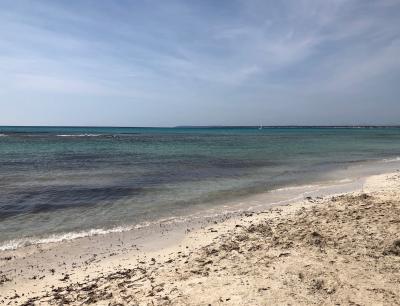
Quiet coves like Cala Mondrago and stretches of sand such as Es Trenc showcase more than just natural beauty—they reflect a strong commitment to preserving the island’s fragile coastal environment. Protected as part of designated natural parks or special environmental zones, these beaches enforce rules on visitor numbers and activities to reduce human impact and safeguard native species. Local authorities and conservation groups work closely to promote awareness and maintain the delicate balance between tourism and nature.
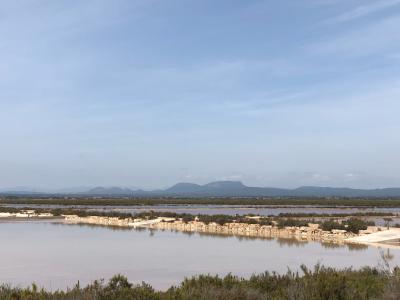
Es Trenc is often highlighted for its pristine wetlands and dune systems, where nesting birds and sea life thrive under careful protection. Similarly, the quiet corners of Formentor Peninsula support efforts to keep the shoreline free from pollution and disturbance. Community-led beach clean-ups and educational campaigns are common here, inviting visitors to play an active role in keeping the sands clean. Public transport options, such as the TIB bus network, encourage low-impact travel to these spots, reducing the dependency on private cars and their environmental footprint.
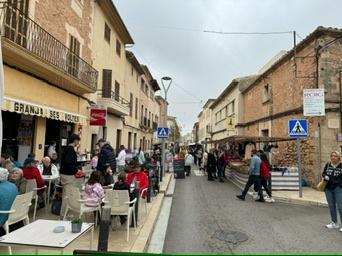
The island’s eco-conscious ethos extends beyond the beaches to support sustainable tourism practices in towns like Alcudia and Pollenca, which emphasize local produce and responsible visitor behavior. Choosing to visit during quieter times can also help lessen environmental strain. These measures ensure that the natural beauty of Mallorca’s coastlines remains for future generations, blending relaxation with respect for the land and sea.
Es Trenc is often highlighted for its pristine wetlands and dune systems, where nesting birds and sea life thrive under careful protection. Similarly, the quiet corners of Formentor Peninsula support efforts to keep the shoreline free from pollution and disturbance. Community-led beach clean-ups and educational campaigns are common here, inviting visitors to play an active role in keeping the sands clean. Public transport options, such as the TIB bus network, encourage low-impact travel to these spots, reducing the dependency on private cars and their environmental footprint.
The island’s eco-conscious ethos extends beyond the beaches to support sustainable tourism practices in towns like Alcudia and Pollenca, which emphasize local produce and responsible visitor behavior. Choosing to visit during quieter times can also help lessen environmental strain. These measures ensure that the natural beauty of Mallorca’s coastlines remains for future generations, blending relaxation with respect for the land and sea.

More Fotos