What archaeological sites can I visit on Mallorca and what can I expect to see?
Similar Topics
archaeological sites
ses païsses
son real
talayotic culture
serra de tramuntana
manacor
calvià
tib bus network
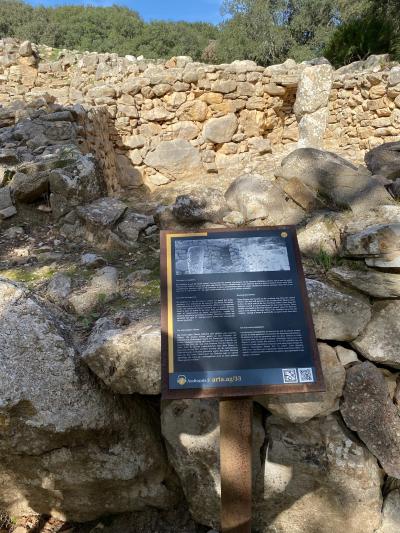
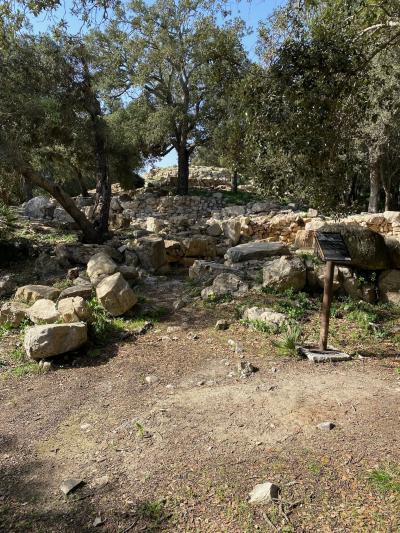
Several well-preserved archaeological sites around the island open a window to Mallorca’s prehistoric and ancient past. One of the most notable is the Talayotic settlement at Ses Païsses near Artà, where you can explore stone towers and dwellings dating back thousands of years, offering insights into Bronze and Iron Age life. Not far from there, the caves of Campanet reveal fascinating natural formations intertwined with historical human use.
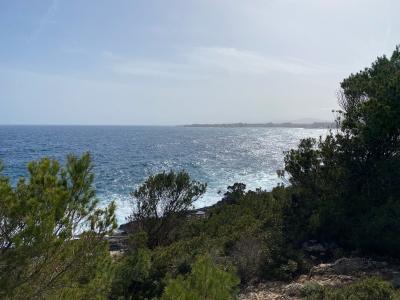
In Manacor, the necropolis of Son Real provides a contemplative glimpse into the funerary customs of early settlers, set against a coastal backdrop that remains largely untouched. The Puig de Sa Morisca archaeological park near Calvià showcases remains from the Talayotic culture alongside medieval structures, making it a highlight for history enthusiasts. Many sites have interpretive signs or offer guided tours detailing life on the island before Roman and later influences reshaped the landscape.
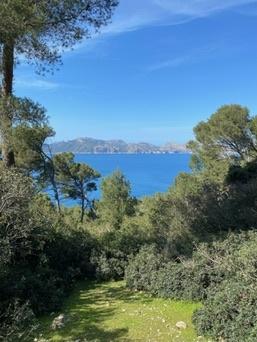
Although not as grand as some Mediterranean ruins, these places are remarkable for their atmospheric connection to Mallorca’s deep-rooted history. Their rural settings, often amidst the rolling Serra de Tramuntana or near golden coves like Cala Llombards, add a natural charm missing from more commercial sites. Getting around is easy with the TIB bus network, which serves many towns close to key sites, while cycling between locations can also be rewarding for those wanting to combine history with the island’s stunning scenery.
In Manacor, the necropolis of Son Real provides a contemplative glimpse into the funerary customs of early settlers, set against a coastal backdrop that remains largely untouched. The Puig de Sa Morisca archaeological park near Calvià showcases remains from the Talayotic culture alongside medieval structures, making it a highlight for history enthusiasts. Many sites have interpretive signs or offer guided tours detailing life on the island before Roman and later influences reshaped the landscape.
Although not as grand as some Mediterranean ruins, these places are remarkable for their atmospheric connection to Mallorca’s deep-rooted history. Their rural settings, often amidst the rolling Serra de Tramuntana or near golden coves like Cala Llombards, add a natural charm missing from more commercial sites. Getting around is easy with the TIB bus network, which serves many towns close to key sites, while cycling between locations can also be rewarding for those wanting to combine history with the island’s stunning scenery.
Artà
More Fotos