How has the economy of Sóller changed over the years?
Similar Topics
Sóller economy
Mallorca tourism
Sóller train
agriculture in Sóller
citrus fruits export
outdoor activities Mallorca
sustainable tourism Sóller
Mallorca landscapes
Sóller cultural heritage
hospitality industry Sóller
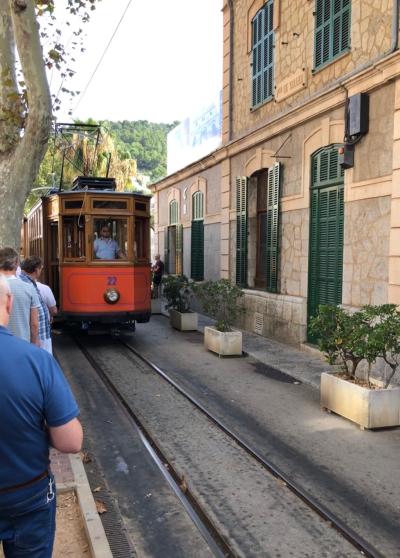
Sóller, a picturesque town nestled in the Tramuntana mountains of Mallorca, has experienced significant economic changes over the years, largely influenced by its stunning natural landscape and historical developments. Originally, the town's economy was primarily based on agriculture, particularly the cultivation of oranges and lemons, which thrived in the fertile valley. This agricultural prosperity not only supported local families but also established Sóller as a key exporter of citrus fruits, fostering trade connections with other regions, especially France. The emergence of the iconic Sóller train in 1912 further bolstered the economy by enhancing accessibility and attracting tourists, marking the beginning of a shift from a purely agricultural economy to one that embraced tourism.
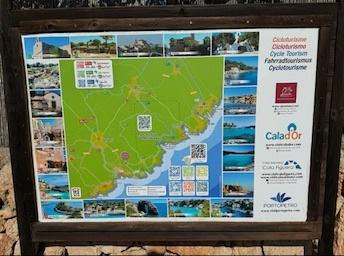
In recent decades, the economy of Sóller has increasingly leaned towards tourism, with many visitors drawn to its charming architecture, beautiful landscapes, and cultural heritage. The influx of tourists has spurred growth in hospitality and service industries, leading to the establishment of numerous hotels, restaurants, and shops, which cater to both visitors and locals. This transition has allowed Sóller to maintain its traditional character while adapting to modern demands. Additionally, the town has become a hub for hiking and outdoor activities, further diversifying its economic base.
As the economy of Sóller continues to evolve, there remains a strong emphasis on preserving its historical and cultural identity. Local initiatives have been introduced to promote sustainable tourism, ensuring that the natural beauty and traditional lifestyle of the town are protected for future generations. While the economic landscape has transformed, the spirit of Sóller remains rooted in its rich history, making it a unique destination where visitors can experience both the vibrancy of modern life and the charm of its agricultural past.
In recent decades, the economy of Sóller has increasingly leaned towards tourism, with many visitors drawn to its charming architecture, beautiful landscapes, and cultural heritage. The influx of tourists has spurred growth in hospitality and service industries, leading to the establishment of numerous hotels, restaurants, and shops, which cater to both visitors and locals. This transition has allowed Sóller to maintain its traditional character while adapting to modern demands. Additionally, the town has become a hub for hiking and outdoor activities, further diversifying its economic base.
As the economy of Sóller continues to evolve, there remains a strong emphasis on preserving its historical and cultural identity. Local initiatives have been introduced to promote sustainable tourism, ensuring that the natural beauty and traditional lifestyle of the town are protected for future generations. While the economic landscape has transformed, the spirit of Sóller remains rooted in its rich history, making it a unique destination where visitors can experience both the vibrancy of modern life and the charm of its agricultural past.
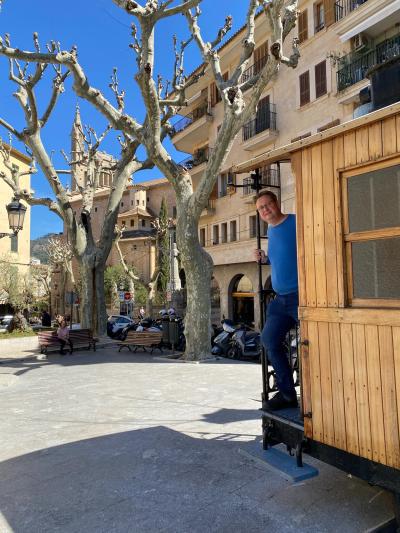
Sóller
More Fotos