How does the architecture reflect the different regions of Spain?
Similar Topics
Spain architecture
Moorish influence
Catalonian modernism
Sagrada Familia
Camino de Santiago
pueblos blancos
Alhambra
Gothic styles
Barcelona architecture
Andalusia buildings
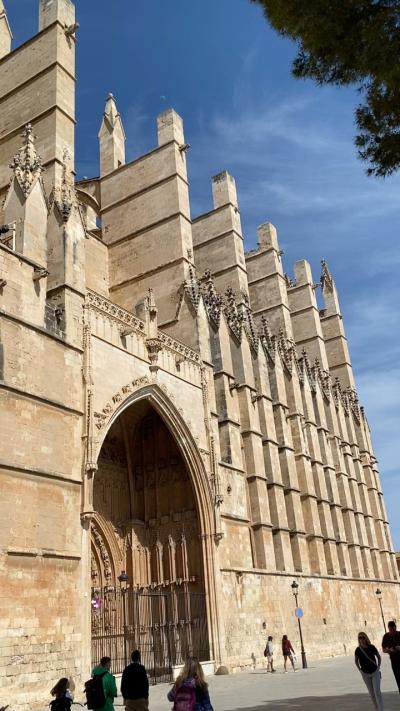
The architecture of Spain is a vivid tapestry that reflects its diverse regions, each infused with unique cultural influences and historical narratives. In the north, for instance, the rugged landscapes of Galicia and the Basque Country are characterized by traditional stone houses and medieval churches that exhibit Romanesque and Gothic styles. These structures often incorporate local materials, such as slate and granite, which resonate with the natural surroundings, creating a harmonious blend between man-made and nature. The famous Camino de Santiago pilgrimage route further highlights this region’s architectural richness, adorned with ancient monasteries and chapels that tell stories of faith and community.
As you move south to Andalusia, the architecture shifts dramatically, showcasing a Moorish influence that defines cities like Seville and Granada. The Alhambra, with its intricate tile work and serene courtyards, exemplifies the Islamic architectural style that flourished during the Reconquista. This region’s use of vibrant colors, ornate arches, and lush gardens invites visitors to experience the beauty of harmony between the architectural forms and the landscape. Additionally, the iconic whitewashed villages, known as "pueblos blancos," reflect both practical and aesthetic considerations, with their narrow, winding streets designed to keep the homes cool in the hot summer months.
In contrast, the Catalonian region boasts the bold, modernist works of Antoni Gaudí, particularly in Barcelona. His masterpiece, the Sagrada Familia, embodies a unique fusion of natural forms and religious symbolism, illustrating a departure from traditional architectural norms. The whimsical shapes and vibrant mosaics found in Gaudí’s works reflect the artistic spirit of Catalonia, a region known for its distinct cultural identity and independence. Meanwhile, the stark, functional lines of modern architecture in cities like Valencia demonstrate a commitment to innovation, as seen in the stunning City of Arts and Sciences complex, which harmonizes futuristic design with its surrounding environment.
Each region of Spain tells its own story through its architecture, capturing centuries of history, cultural intermingling, and local traditions. Whether it’s the ancient fortresses and grand cathedrals of the north, the Moorish palaces of the south, or the modernist marvels of the east, the architectural landscape of Spain is a journey through time and space, inviting travelers to explore the rich diversity that defines this enchanting country.
As you move south to Andalusia, the architecture shifts dramatically, showcasing a Moorish influence that defines cities like Seville and Granada. The Alhambra, with its intricate tile work and serene courtyards, exemplifies the Islamic architectural style that flourished during the Reconquista. This region’s use of vibrant colors, ornate arches, and lush gardens invites visitors to experience the beauty of harmony between the architectural forms and the landscape. Additionally, the iconic whitewashed villages, known as "pueblos blancos," reflect both practical and aesthetic considerations, with their narrow, winding streets designed to keep the homes cool in the hot summer months.
In contrast, the Catalonian region boasts the bold, modernist works of Antoni Gaudí, particularly in Barcelona. His masterpiece, the Sagrada Familia, embodies a unique fusion of natural forms and religious symbolism, illustrating a departure from traditional architectural norms. The whimsical shapes and vibrant mosaics found in Gaudí’s works reflect the artistic spirit of Catalonia, a region known for its distinct cultural identity and independence. Meanwhile, the stark, functional lines of modern architecture in cities like Valencia demonstrate a commitment to innovation, as seen in the stunning City of Arts and Sciences complex, which harmonizes futuristic design with its surrounding environment.
Each region of Spain tells its own story through its architecture, capturing centuries of history, cultural intermingling, and local traditions. Whether it’s the ancient fortresses and grand cathedrals of the north, the Moorish palaces of the south, or the modernist marvels of the east, the architectural landscape of Spain is a journey through time and space, inviting travelers to explore the rich diversity that defines this enchanting country.

More Fotos